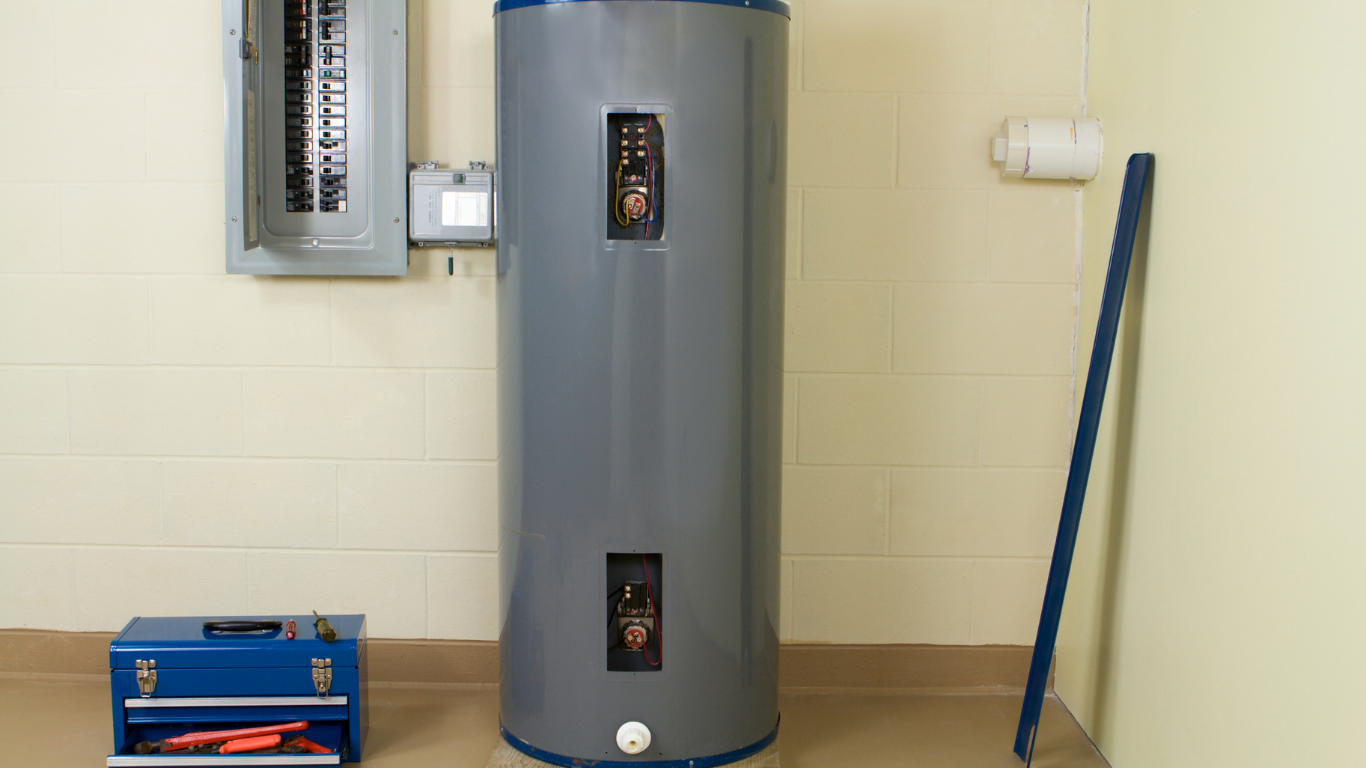
S.W.A.T. Plumbing LLC helps homeowners spot early water heater repair needs before winter demand causes a full system failure. Their licensed plumbers inspect water heaters carefully, explain what’s happening, and provide clear repair options to keep hot water reliable during colder months.
Winter places extra strain on water heaters. Colder incoming water, heavier daily use, and aging components all work against the system. Knowing the warning signs helps homeowners act early and avoid being left without hot water when temperatures drop.
One of the first winter warning signs is hot water that doesn’t last as long as it used to. When incoming water is colder, the heater must work harder to reach the set temperature. If internal components are already worn, the tank may struggle to keep up.
Homeowners may notice shorter showers, lukewarm water, or longer recovery times between uses. This often points to sediment buildup at the bottom of the tank, which reduces heating efficiency.
If hot water demand increases but supply keeps shrinking, the system should be inspected before winter use peaks. More details on system performance are available on S.W.A.T. Plumbing’s Plumbing Services page.
Popping, rumbling, or cracking sounds are common signs that a water heater needs attention. These noises usually come from hardened sediment shifting as the burner or heating elements turn on.
During winter, heaters cycle more often, which makes these sounds louder and more frequent. Over time, sediment traps heat against the tank walls, causing overheating and internal damage.
Ignoring these noises can shorten the system’s lifespan. A licensed plumber can flush the tank and inspect internal components before damage spreads.
Inconsistent water temperature is another sign that winter stress is affecting the heater. Homeowners may notice water turning cold mid-shower or swinging between hot and warm unexpectedly.
Common causes include failing heating elements, worn thermostats, or sediment interfering with temperature sensors. Tankless systems may show error codes or struggle to maintain output when demand increases.
These fluctuations are more than an inconvenience—they signal internal wear that should be addressed promptly.
If hot water appears rusty or smells metallic, internal corrosion may already be forming inside the tank. This often happens when the anode rod—a part designed to protect the tank from rust—has worn out.
Cold weather accelerates corrosion by increasing condensation inside the system. Once rust begins forming inside the tank, repairs become limited.
Homeowners noticing discoloration should stop using hot water for cooking or laundry and schedule an inspection right away. For related inspection methods, S.W.A.T. Plumbing explains detection tools on their Leak Detection & Repair page.
Water pooling near the base of the heater should never be ignored. Small leaks often start at fittings, valves, or weakened tank seams. During winter, temperature changes can worsen existing cracks or stress points.
Moisture may also come from condensation, but consistent dampness usually signals a leak. If left unchecked, leaks can damage flooring, nearby walls, and surrounding fixtures.
A licensed plumber can determine whether the issue is repairable or if replacement is the safer option.
Gas water heaters rely on steady ignition to heat water efficiently. If the pilot light goes out repeatedly or the unit struggles to ignite, winter drafts or worn components may be to blame.
Common causes include:
These problems reduce efficiency and increase safety risks. Gas-related concerns should always be handled by licensed professionals.
For general safety and water system guidance, homeowners can reference the EPA WaterSense Program.
Age plays a major role in winter performance. Most tank-style water heaters last 8–12 years, while tankless systems often last 15–20 years with proper maintenance.
Older units struggle more in cold weather. Internal wear, reduced insulation, and outdated components make breakdowns more likely during winter months.
If the system is nearing the end of its lifespan and showing any warning signs, repair or replacement should be discussed before winter demand peaks.
A struggling water heater often uses more energy to deliver less hot water. Homeowners may see higher gas or electric bills even though usage habits haven’t changed.
This happens when sediment buildup, failing elements, or thermostat problems force the system to run longer cycles. Winter conditions amplify these inefficiencies.
Tracking energy use alongside water heater performance helps identify problems early.
Homeowners should call a licensed plumber if they notice:
Winter breakdowns often happen without warning. Early inspection prevents emergency repairs during cold weather.
S.W.A.T. Plumbing also explains how underground plumbing stress affects water systems on their Slab Leak Repair page, especially in homes with shifting soil.
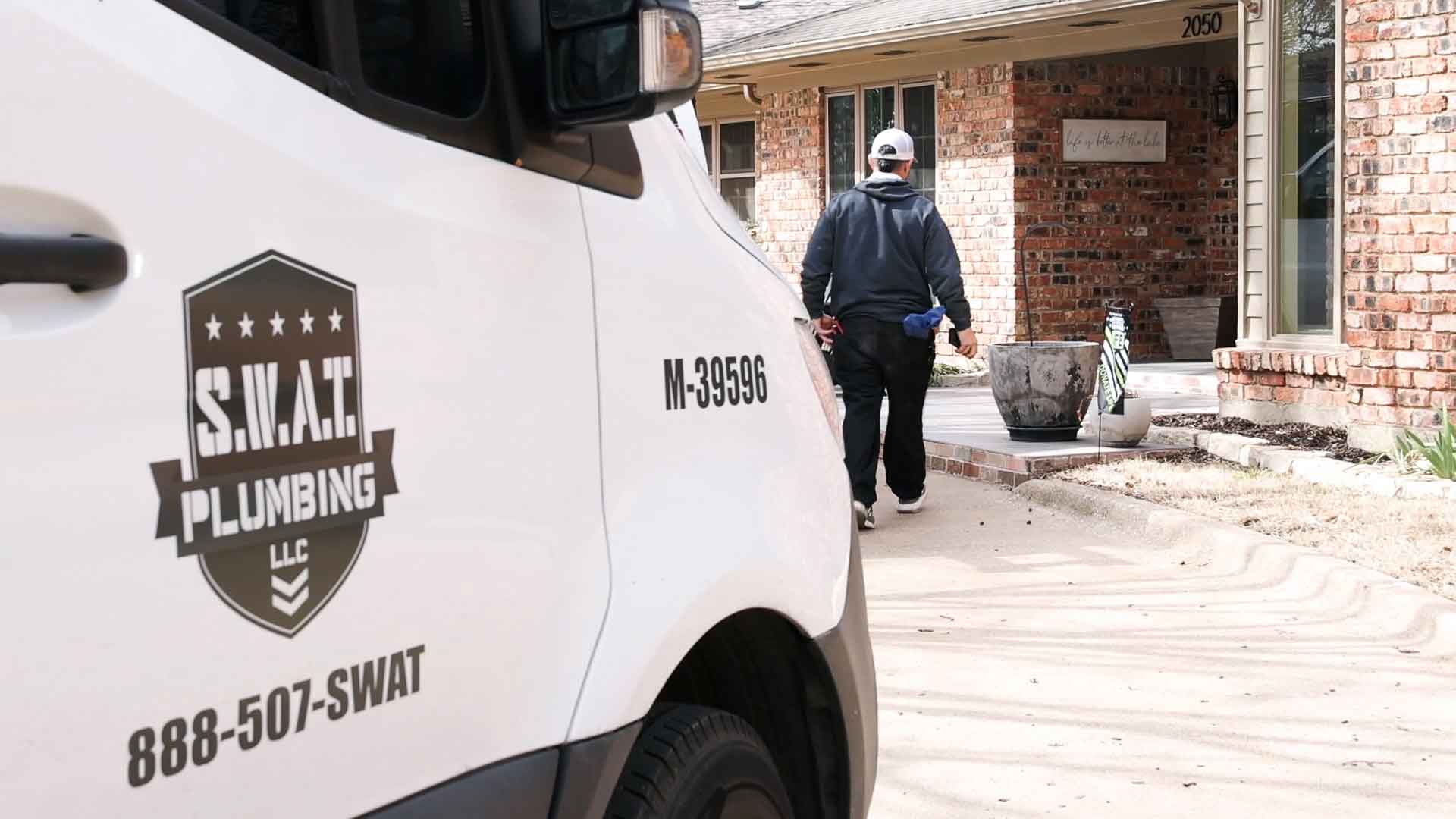
S.W.A.T. Plumbing provides thorough water heater inspections, clear explanations, and reliable repair solutions. Their plumbers arrive in marked vehicles, protect the home, and explain exactly what needs attention.
One homeowner shared, “Our water heater started making noise once it got cold. S.W.A.T. flushed the tank, replaced a worn part, and we’ve had steady hot water all winter.”
Local experience and licensed expertise help the team keep systems running safely through cold months.
If you’re looking for dependable plumbing services for water heater repair, call 817-438-6142 to schedule a visit with S.W.A.T. Plumbing LLC. Their licensed plumbers can inspect your system and help keep hot water reliable all winter long.



© 2026 S.W.A.T. Plumbing LLC All rights reserved. Designed by Nickel SEO. | Privacy Policy