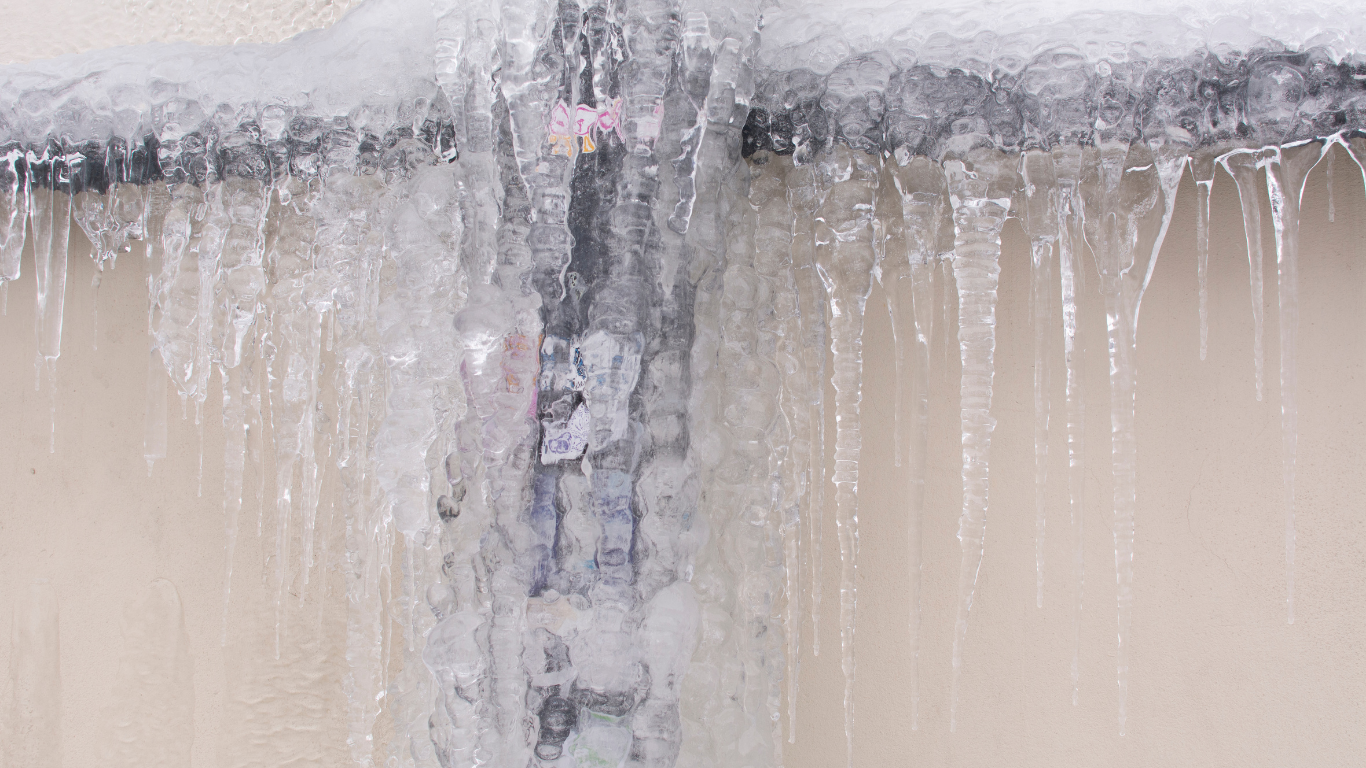
Freezing temperatures can turn a quiet plumbing system into a costly emergency. Knowing what causes pipes to burst—and how to prevent it—can save your home from serious damage.
When winter weather hits Texas, many homeowners assume frozen pipes are a problem reserved for colder states. Unfortunately, that assumption leads to flooded homes, soaked drywall, and expensive emergency repairs every year. Homes in Fort Worth, Aledo, Weatherford, White Settlement, Benbrook, Annetta, Willow Park, and Hudson Oaks, TX are especially vulnerable because plumbing systems here often run through attics, garages, and exterior walls that aren’t designed for prolonged cold exposure.
Pipe bursts don’t happen at random. There are specific reasons freezing temperatures cause pipes to fail—and once you know them, you can take steps to stop it before disaster strikes.
Contrary to popular belief, pipes don’t burst simply because ice forms. The real damage comes from pressure. When water inside a pipe freezes, it expands. As the ice grows, it blocks the pipe and traps liquid water between the blockage and a closed valve or faucet. That trapped water has nowhere to go.
As pressure builds inside the pipe, it pushes outward against the pipe walls. Metal, copper, and plastic piping all have pressure limits. Once that limit is exceeded, the pipe cracks or splits—often at its weakest point, such as a joint or bend. The pipe may not immediately leak while frozen, but once temperatures rise and the ice thaws, water rushes out rapidly.
This is why many homeowners wake up to flooding after a freeze, not during it.
Not all plumbing lines face the same risk. Pipes located in areas exposed to cold air are far more likely to freeze and fail. These include:
Homes with older plumbing materials are also at higher risk. Aging pipes may already be weakened by corrosion, mineral buildup, or prior repairs, making them less capable of handling pressure changes during freezing temperatures.
Burst pipes rarely come without warning. Paying attention to early signs can help you act before major damage occurs. Common red flags include:
If you notice any of these signs, it’s critical to shut off your main water supply and call a professional immediately. Waiting too long can turn a manageable situation into a full-scale emergency.
Preventing frozen and burst pipes comes down to temperature control, insulation, and preparation. These steps can significantly reduce your risk during cold weather months:
Insulate exposed pipes
Pipes in attics, garages, and crawl spaces should be wrapped with foam insulation or approved pipe sleeves. Insulation helps retain warmth and shields pipes from cold air drafts.
Seal air leaks around plumbing
Cold air often enters through small gaps near vents, windows, and pipe penetrations. Sealing these openings helps keep surrounding temperatures stable and protects plumbing behind walls.
Keep indoor heat consistent
Even if you’re away, your thermostat should remain set no lower than 55°F. Warm air inside your home helps prevent pipes inside walls from freezing overnight.
Let faucets drip during hard freezes
Running a slow trickle of water keeps pressure from building inside pipes. Moving water is far less likely to freeze than stagnant water, especially in vulnerable sections of plumbing.
Disconnect outdoor hoses
Leaving hoses attached traps water inside exterior pipes. Disconnect hoses, drain remaining water, and use insulated faucet covers to protect outdoor connections.
If you suspect a pipe has frozen, act quickly but carefully. Turn off the main water supply to reduce pressure. Open nearby faucets to relieve trapped water. Never use open flames or high-heat tools to thaw pipes, as this can weaken the pipe or create a fire hazard.
A licensed plumber can safely locate the frozen section, thaw it properly, and inspect the pipe for cracks or damage before restoring full water flow.
Frozen pipes can cause some of the most destructive plumbing damage a home can face. From soaked insulation and warped flooring to mold growth and foundation concerns, the aftermath of a burst pipe can linger long after winter ends.
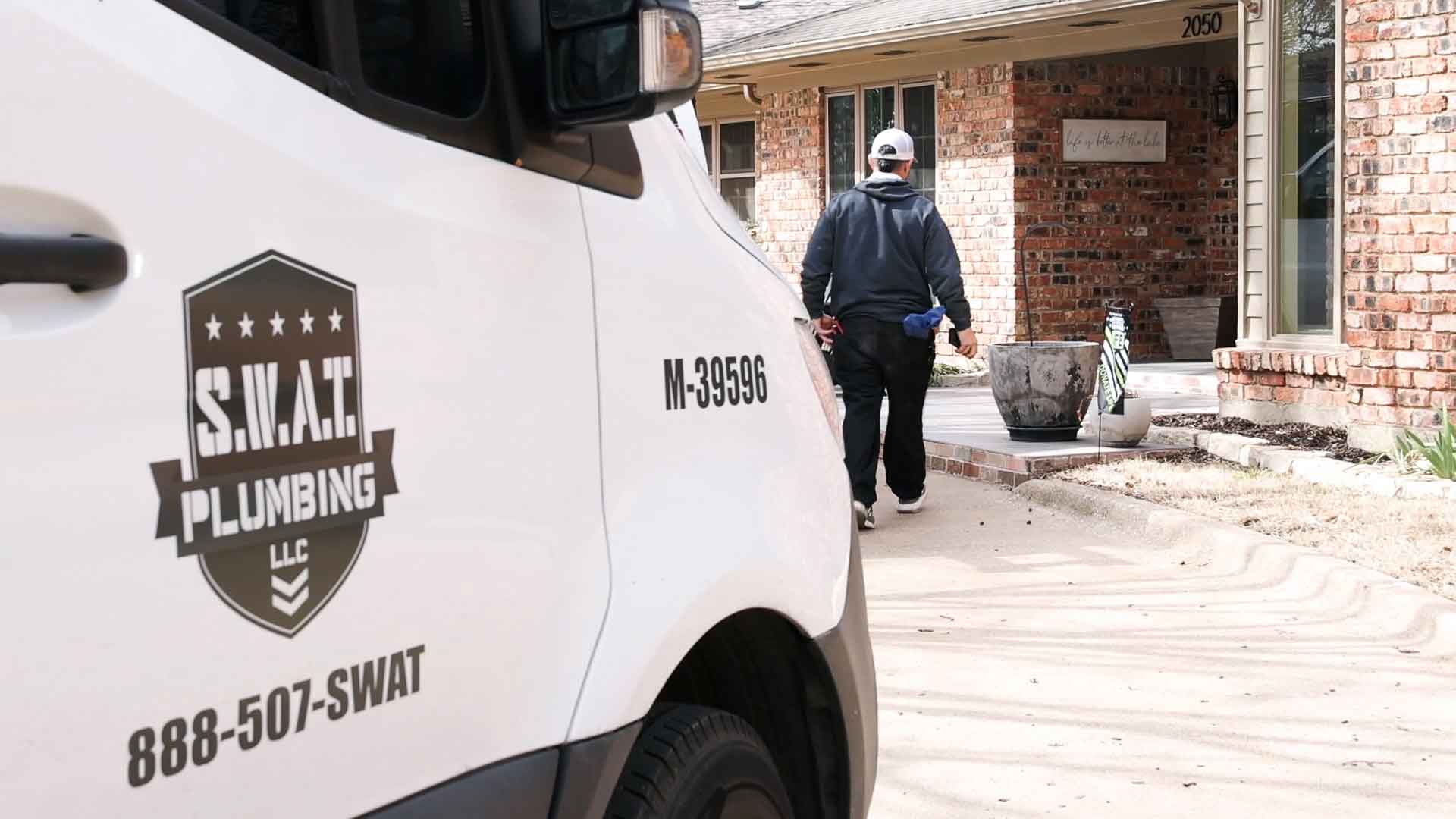
For more support protecting your plumbing during cold weather, S.W.A.T. Plumbing LLC provides fast, professional service throughout Fort Worth, Aledo, Weatherford, White Settlement, Benbrook, Annetta, Willow Park, and Hudson Oaks, TX. We help homeowners prepare for freezing temperatures, respond quickly to burst pipes, and make durable repairs that prevent repeat issues.
If cold weather is approaching—or you’ve already noticed warning signs—don’t wait. Taking action early can protect your home from serious damage and costly repairs. Let experienced professionals handle the problem and keep your plumbing system safe all winter long.




© 2026 S.W.A.T. Plumbing LLC All rights reserved. Designed by Nickel SEO. | Privacy Policy