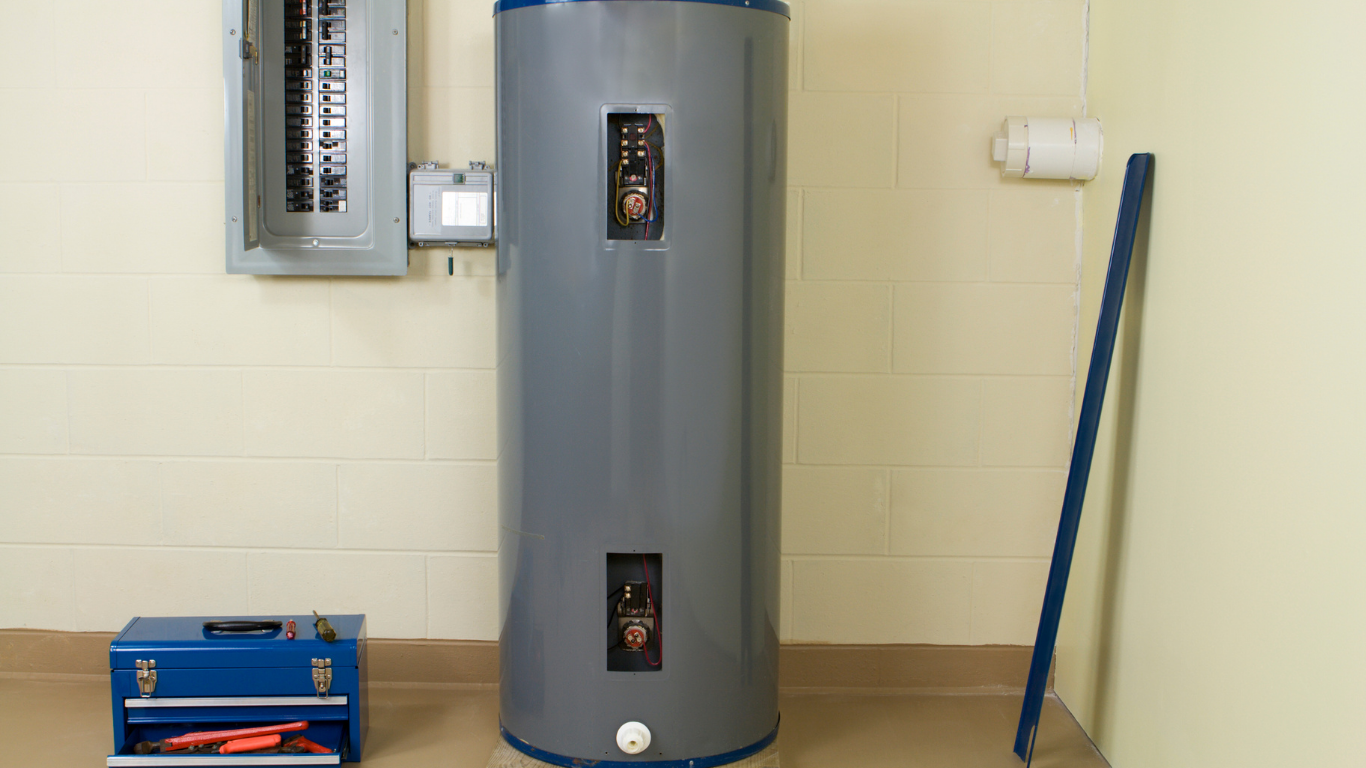
S.W.A.T. Plumbing LLC helps homeowners understand water heater failure during winter and how to prevent sudden loss of hot water. Their licensed plumbers inspect systems, explain problems clearly, and provide reliable repair options when cold weather puts extra strain on water heaters.
Winter is the most demanding season for water heaters. Colder temperatures, heavier daily use, and aging components all combine to push systems beyond their limits. Understanding why failures happen helps homeowners act early and avoid emergency breakdowns.
During winter, the water entering your home is much colder than in warmer months. This forces the water heater to work harder to raise the temperature to a usable level. The heating elements or burners must run longer and more often, which increases wear on internal parts.
Older systems struggle the most. When components are already weakened, winter demand can expose problems that were manageable during mild weather. This is often when homeowners notice hot water running out faster or not getting as hot as it used to.
More details on system performance and maintenance can be found on S.W.A.T. Plumbing’s Plumbing Services page.
Sediment naturally builds up inside water heater tanks over time, especially in areas with hard water. Minerals settle at the bottom of the tank and form a thick layer that traps heat.
In winter, this sediment layer causes more trouble. The burner or heating elements must work harder to push heat through the buildup. This leads to overheating, strange noises, and reduced efficiency.
Common winter symptoms caused by sediment include:
If sediment is not flushed regularly, the tank can overheat and fail prematurely.
Water heaters don’t fail all at once. Internal parts slowly wear down over years of daily use. Winter often exposes these weak points.
Key components that fail more often in cold weather include:
When these parts stop working correctly, the system struggles to keep up with demand. In many cases, a repair could have extended the unit’s life if caught earlier.
Most tank-style water heaters last 8–12 years, while tankless systems often last 15–20 years. Units near the end of this range are more likely to fail during winter.
Winter usually means more hot water use. Longer showers, frequent handwashing, laundry, and dishwashing all increase demand. Guests and holiday gatherings can push usage even higher.
Tank-style systems store a limited amount of hot water. When demand exceeds capacity, the tank empties faster and struggles to recover. Tankless systems can also strain if multiple fixtures run at the same time.
If hot water demand suddenly exceeds what the system was designed to handle, failure becomes more likely—especially if the heater is already aging.
Cold air affects more than just water temperature. Poor insulation around the water heater or exposed pipes can lead to heat loss. This forces the system to cycle more often, increasing wear.
Gas water heaters are especially sensitive to venting problems in winter. Cold air drafts, blocked vents, or poor airflow can prevent proper combustion. This may cause the pilot light to go out or the system to shut down for safety reasons.
These issues should always be handled by licensed professionals due to safety concerns.
As water heats and cools more frequently in winter, pressure inside the tank fluctuates. If the pressure relief valve is worn or blocked, excess pressure can damage the tank.
Frozen or partially frozen pipes can also increase pressure inside the system. This puts added stress on joints, valves, and the tank itself.
Homes with shifting soil or underground plumbing issues may experience additional pressure changes. S.W.A.T. Plumbing explains related concerns on their Slab Leak Repair page.
Winter failures rarely happen without warning. Homeowners should watch for:
These signs often mean the system is struggling. Early inspection can prevent a complete breakdown during freezing temperatures.
For general water system safety tips, the EPA WaterSense Program offers helpful information.
Homeowners should call a licensed plumber at the first sign of trouble during winter. Waiting often leads to emergency situations, water damage, or total system failure.
A professional plumber will inspect the heater, test components, and explain whether repair or replacement is the safest option. They can also check surrounding plumbing to ensure cold weather hasn’t caused additional issues.
S.W.A.T. Plumbing outlines their inspection approach on the Leak Detection & Repair page, which explains how hidden problems are identified before they worsen.
S.W.A.T. Plumbing provides winter-focused water heater inspections designed to catch problems early. Their licensed plumbers flush sediment, test safety components, and explain what homeowners should expect during cold weather.
One homeowner shared, “Our water heater failed during a freeze last year. This winter, S.W.A.T. inspected it early and fixed a worn part. We had hot water all season.”
Local experience and clear communication help homeowners stay prepared when winter demand is highest.
If you’re dealing with water heater failure or want to prevent a winter breakdown, call 817-438-6142 to schedule a visit with S.W.A.T. Plumbing LLC. Their licensed plumbers can inspect your system and help keep hot water reliable all winter long.



© 2026 S.W.A.T. Plumbing LLC All rights reserved. Designed by Nickel SEO. | Privacy Policy