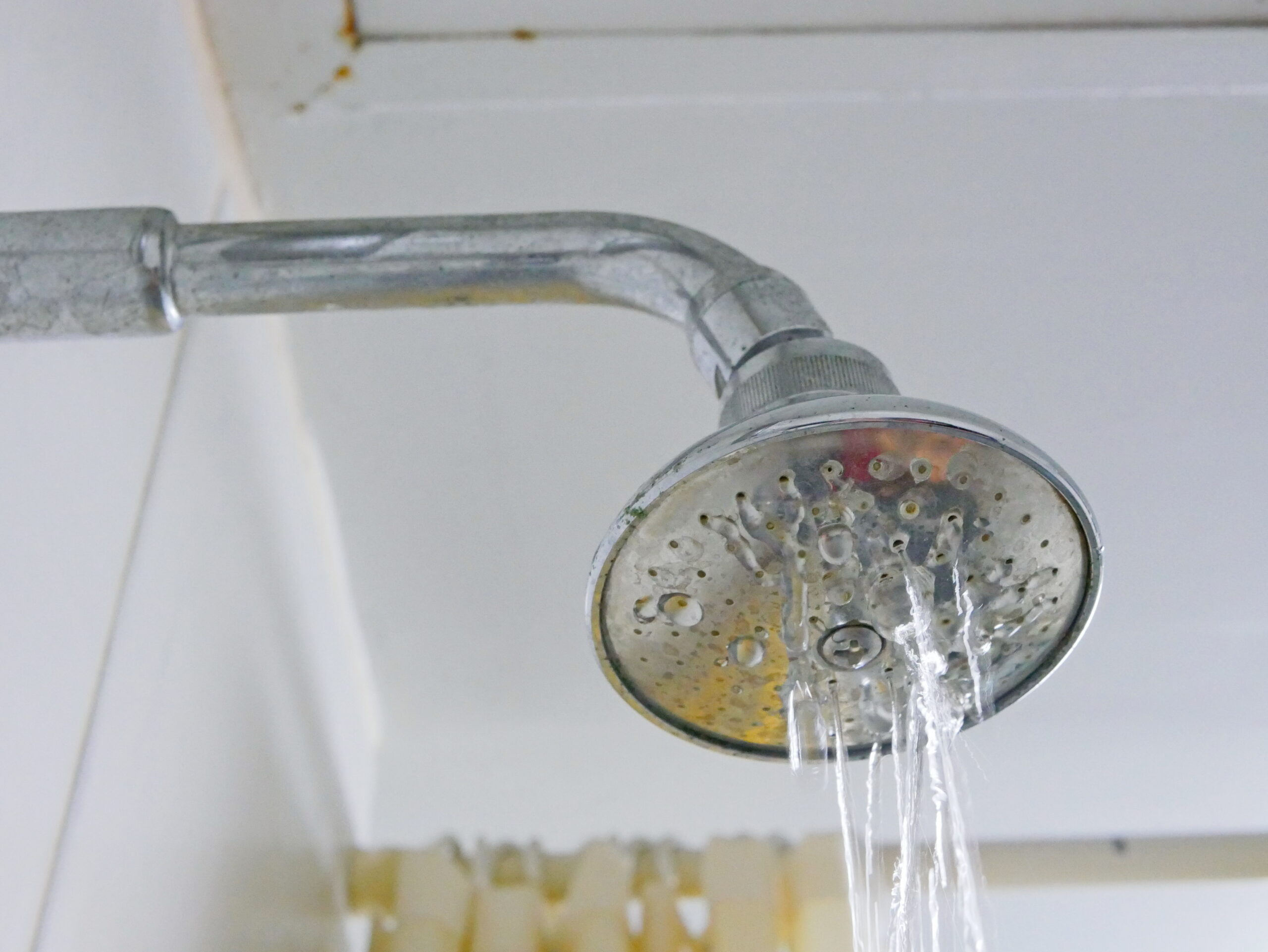
Low water pressure throughout your entire home can turn simple tasks like showering, washing dishes, or doing laundry into a frustrating experience. When pressure drops everywhere at once, it usually signals a deeper plumbing issue that needs attention.
Many homeowners notice water pressure problems gradually. Faucets may start flowing weaker than usual, showers lose their force, or appliances take longer to fill. While minor fixture problems can affect a single sink or shower, whole-house low water pressure often points to an issue somewhere within the main plumbing system.
Identifying the cause early can prevent larger problems and restore normal water flow before damage occurs.
When water pressure drops across the entire home, the issue usually originates in the main water supply system rather than a single fixture. Several factors can interfere with water flow before it reaches your faucets and appliances.
One of the most common causes is a partially closed main water shut-off valve. If the valve controlling water flow into your home isn’t fully open, it can restrict the amount of water entering your plumbing system. This often happens after plumbing repairs or maintenance when the valve was turned off temporarily.
Another potential cause is a failing pressure regulator. Many homes have a pressure-reducing valve that controls incoming water pressure from the municipal supply. When this component wears out, it can dramatically reduce water pressure throughout the home.
In some cases, the problem may originate from the municipal water supply itself. Maintenance work, water main repairs, or increased demand in your neighborhood can temporarily lower water pressure.
Another major cause of low water pressure in the entire house is a hidden plumbing leak. When water escapes from a damaged pipe somewhere in the system, less water reaches your faucets and fixtures.
Leaks can occur behind walls, under flooring, or beneath the foundation of the home. These hidden leaks may go unnoticed until symptoms like reduced water pressure or rising water bills begin to appear.
Signs of a possible leak include:
Professional leak detection services can help locate hidden plumbing leaks without unnecessary damage to walls or flooring.
Older homes often experience water pressure problems due to aging plumbing materials. Over time, mineral deposits and corrosion build up inside metal pipes, narrowing the internal diameter. As the pipe walls become restricted, water flow decreases.
Homes built decades ago may still contain galvanized steel pipes, which are especially prone to corrosion. As rust accumulates inside the pipe, water pressure gradually drops throughout the home.
Replacing deteriorating pipes with modern materials such as PEX or copper plumbing lines can restore proper water flow and improve overall system reliability.
Your home’s main water line connects the municipal supply to your plumbing system. If this pipe becomes damaged, partially blocked, or develops a leak, it can significantly reduce water pressure inside the home.
Tree roots, shifting soil, corrosion, and aging pipe materials can all damage underground water lines. When this happens, water flow becomes restricted before it even reaches your home.
Symptoms of main water line problems often include:
Professional inspection and repair of the main water line may be necessary to restore normal water pressure.
While whole-house pressure issues usually stem from larger plumbing problems, it’s still possible for mineral buildup inside faucet aerators and showerheads to worsen the situation.
Hard water minerals can accumulate inside these fixtures, restricting water flow and reducing pressure. Cleaning or replacing clogged aerators may improve flow at individual fixtures, though it won’t fix underlying system problems.
Regular maintenance of faucets and showerheads helps keep water flowing smoothly and prevents buildup from affecting performance.
Low water pressure throughout your home can stem from many different causes, including hidden leaks, corroded pipes, pressure regulator failures, or problems with the main water line. Identifying the exact source of the issue is essential for restoring consistent water flow.
Professional plumbers have the tools and experience needed to diagnose plumbing system problems quickly and recommend the right solution. Whether the issue involves repairing a leak, replacing aging pipes, or correcting pressure regulator problems, addressing the cause early helps prevent larger plumbing failures later.
If you’re experiencing weak water pressure throughout your home, having your plumbing system inspected ensures your water supply remains reliable and your plumbing system continues operating efficiently.




© 2026 S.W.A.T. Plumbing LLC All rights reserved. Designed by Nickel SEO. | Privacy Policy