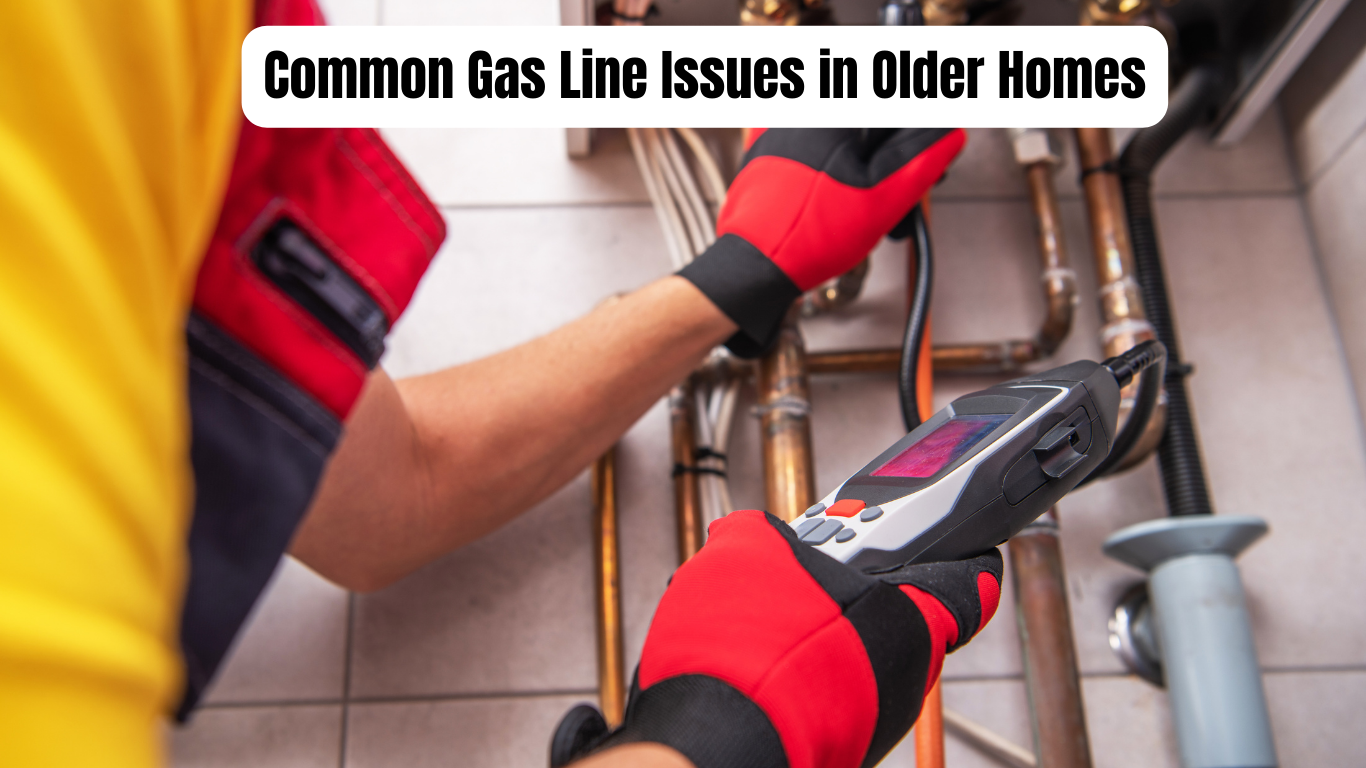
S.W.A.T. Plumbing LLC helps homeowners understand common gas line issues found in older homes and provides safe, code-compliant repairs. Their licensed plumbers use advanced tools to locate leaks, replace aging pipes, and ensure each system delivers reliable, safe gas service.
Gas lines age just like any other part of a home’s plumbing system. Older homes often have outdated materials, worn joints, or hidden corrosion that may go unnoticed for years. Because gas lines carry fuel to appliances, even small problems can become dangerous if ignored. This guide explains the most common gas line issues in older homes and when it’s time to call a professional.
Many older homes were built with black steel gas lines. While this material is durable, it corrodes over time—especially in humid or damp conditions. Corrosion wears the inside and outside of the pipe, eventually creating thin spots or tiny holes that allow gas to escape.
Signs of corrosion include:
Corroded pipes should be replaced immediately. Homeowners can learn more about how aging plumbing materials break down on S.W.A.T. Plumbing’s gas line repair page.
Older homes sometimes contain gas lines made from outdated or unsafe materials. Black steel is still common, but older systems may also include:
Over time, fittings become loose due to vibration, temperature shifts, or natural settling of the home. Even a minor gap in a joint can release gas.
A licensed plumber can inspect the system, replace outdated connectors, and install safer modern materials.
Small gas leaks often develop slowly and remain hidden behind walls, under floors, or inside crawlspaces. Because gas dissipates quickly, homeowners may not notice the smell unless the leak becomes significant.
Common signs include:
Gas leaks are extremely dangerous and should only be handled by licensed professionals. S.W.A.T. Plumbing uses advanced detection equipment that finds leaks without opening large areas of the home.
For broader safety guidance, the EPA Indoor Air Quality Program provides helpful information on harmful indoor gases.
Homes in Aledo and Fort Worth often sit on clay soil that expands and contracts with seasonal moisture. Over decades, this movement can place stress on buried gas lines, causing cracks, joint failures, or weakened fittings.
Signs of soil-related gas line issues include:
Underground leaks are hard to detect without professional tools. S.W.A.T. Plumbing explains related underground concerns on their Slab Leak Repair page, which describes how shifting soil affects plumbing systems.
Flexible appliance connectors deliver gas to stoves, dryers, and water heaters. Older connectors—especially those installed more than 20 years ago—can crack, break, or loosen.
Warning signs include:
Replacing these connectors with modern, code-approved materials keeps appliances safe and reduces leak risk.
Older homes often have a long repair history. Some past owners may have attempted DIY gas line fixes or installations that do not meet safety codes. Common mistakes include:
These issues can remain hidden for years until they cause sudden leaks or appliance failures. A licensed plumber should inspect older systems for any unsafe modifications.
Gas line issues require immediate attention. Homeowners should call a licensed plumber if they notice:
If a strong gas smell is present, homeowners should leave the home immediately and call emergency services before contacting a plumber.
Once the area is safe, a licensed professional can locate the leak, replace damaged sections, and bring the system up to current code requirements.
For fast assistance, homeowners can reach S.W.A.T. Plumbing through their Contact Page.
S.W.A.T. Plumbing provides thorough gas line inspections, precise leak detection, and safe repairs. Their technicians identify outdated materials, weak joints, and hidden leaks using modern diagnostic tools. They also explain each step of the repair in clear, simple terms.
A homeowner shared, “Our gas bill kept rising, and we couldn’t figure out why. S.W.A.T. found a leak behind the water heater and replaced the old connector on the spot. We felt safe again right away.”
Older homes need experienced professionals who understand how aging materials behave. S.W.A.T. Plumbing brings local knowledge, licensed technicians, and high safety standards to every gas line repair.
If you’re looking for dependable plumbing services for gas line issues, call 817-438-6142 to schedule a visit with S.W.A.T. Plumbing LLC. Their licensed team can inspect your gas lines, explain the problem, and recommend safe repair options.




© 2025 S.W.A.T. Plumbing LLC All rights reserved. Designed by Nickel SEO. | Privacy Policy