
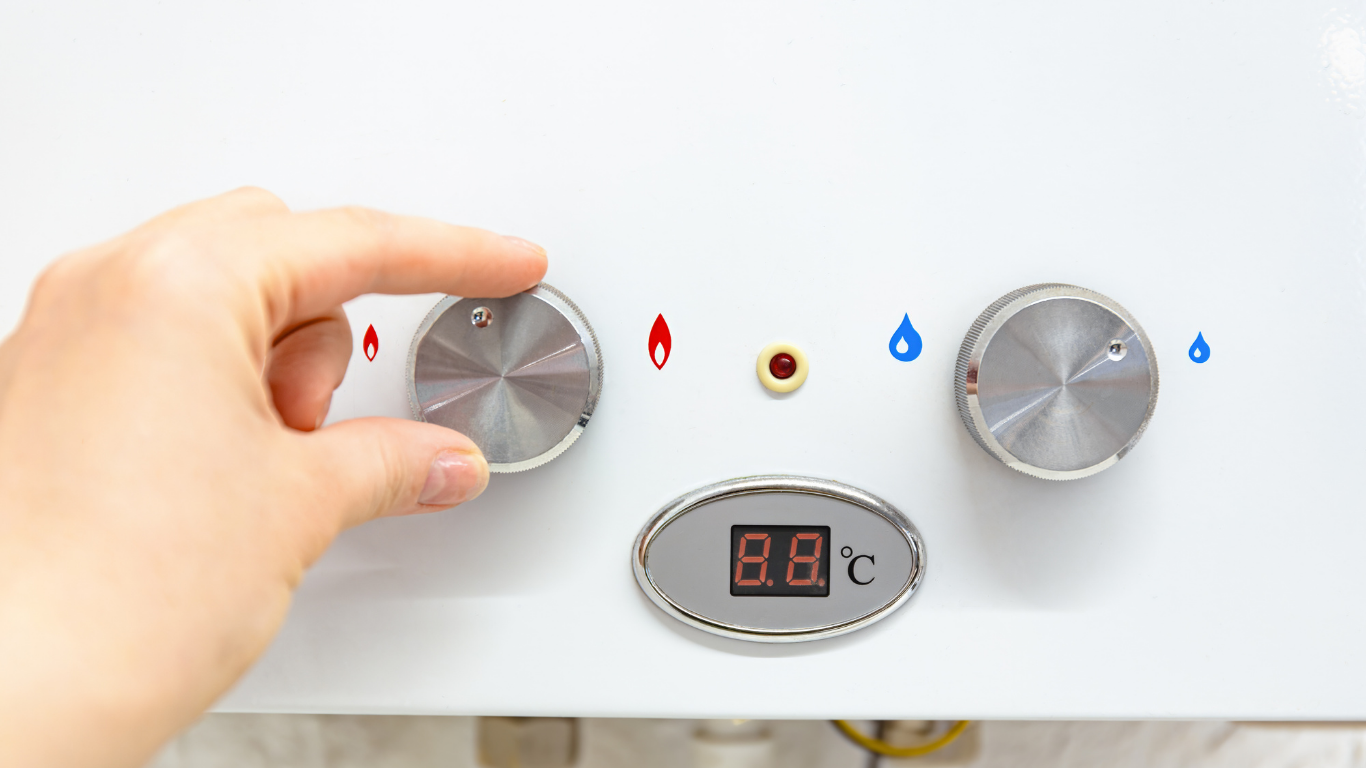
Cold weather puts extra stress on your water heater, and winter is when small issues often turn into major failures. Knowing the most common problems can help you avoid cold showers and costly repairs.
When temperatures drop, your water heater has to work harder to keep up with demand. Colder incoming water, increased usage, and aging components all collide during winter months—especially in Texas homes that aren’t designed for prolonged cold weather. Homeowners across Fort Worth, Aledo, Weatherford, White Settlement, Benbrook, Annetta, Willow Park, and Hudson Oaks, TX frequently experience water heater issues during winter that could have been prevented with early attention.
Below are the most common winter water heater problems we see—and what can be done to fix them before they leave you without hot water.
One of the most common winter complaints is running out of hot water faster than usual. As outdoor temperatures drop, the water entering your home is significantly colder. Your water heater must work longer and harder to bring that water up to temperature, which reduces available hot water—especially during peak usage times like mornings and evenings.
This problem often shows up in households with older or undersized tanks. If your family has grown or hot water usage has increased, your current unit may no longer be sufficient.
Fix:
A plumber can evaluate whether your tank size matches your household’s needs. In some cases, adjusting the thermostat or flushing sediment buildup can improve performance. If the unit is nearing the end of its lifespan, replacement may be the most reliable solution.
If it feels like hot water takes forever to arrive at faucets during winter, you’re not imagining it. Cold temperatures slow down heating cycles, especially in older systems or units with worn heating elements or burners.
Sediment buildup at the bottom of the tank is another common cause. Over time, minerals settle and create a barrier between the heating source and the water, reducing efficiency and slowing recovery times.
Fix:
Professional flushing removes sediment and restores proper heat transfer. For electric units, faulty heating elements may need replacement. Gas units may require burner cleaning or adjustment to restore normal operation.
Gas water heaters often struggle during winter due to pilot light issues. Cold air drafts, pressure changes, or a failing thermocouple can cause the pilot to go out repeatedly. Modern units with electronic ignition may also experience sensor or control board problems during cold snaps.
A water heater that won’t stay lit leaves you without hot water—and repeatedly relighting it without addressing the cause can create safety concerns.
Fix:
A licensed plumber can inspect and replace faulty components, clean burners, and check ventilation to ensure safe operation. Pilot light issues should never be ignored or treated as a DIY fix.
In winter, water heater problems aren’t always caused by the unit itself. Frozen or partially frozen supply lines can restrict water flow into the heater, reducing pressure or stopping hot water production altogether.
This is especially common in garages, attics, or exterior walls where pipes are exposed to cold air. Frozen lines may thaw and leak or burst once temperatures rise.
Fix:
Insulating exposed pipes, sealing cold air drafts, and maintaining indoor heat help prevent frozen lines. If freezing has already occurred, shut off the water supply and call a professional to thaw and inspect the line safely.
Popping, rumbling, or banging noises are more noticeable during winter when heaters run longer cycles. These sounds are usually caused by sediment buildup hardening at the bottom of the tank. As water heats, steam bubbles become trapped beneath the sediment and release with force.
While noisy operation might seem harmless, it increases strain on the tank and shortens its lifespan.
Fix:
A professional tank flush removes sediment and reduces noise. If the tank is heavily corroded or the noise persists after maintenance, replacement may be necessary to avoid leaks or failure.
Cold weather can worsen small cracks or weak connections in aging water heaters. Temperature changes cause metal to expand and contract, stressing fittings, valves, and the tank itself. Even minor leaks can lead to water damage, mold growth, or total unit failure if ignored.
Leaks at the base of the tank often indicate internal damage and usually mean replacement is required.
Fix:
A plumber can determine whether the leak is coming from a valve, connection, or the tank itself. Early repairs may prevent further damage, but older units with tank leaks are typically beyond repair.
When your water heater fails during winter, it disrupts your entire household. Cold showers, poor performance, or unexpected leaks are more than inconveniences—they’re signs your system needs professional attention.
At S.W.A.T. Plumbing LLC, we provide expert water heater repair, service, and replacement throughout Fort Worth, Aledo, Weatherford, White Settlement, Benbrook, Annetta, Willow Park, and Hudson Oaks, TX. Our team diagnoses winter-specific problems quickly and delivers durable solutions that restore comfort and reliability.
Whether your unit needs maintenance, repair, or replacement, we’ll help you make the right decision with honest guidance and skilled workmanship.
Call 817-438-6142 today to schedule water heater service and keep your hot water flowing all winter long.




© 2026 S.W.A.T. Plumbing LLC All rights reserved. Designed by Nickel SEO. | Privacy Policy