
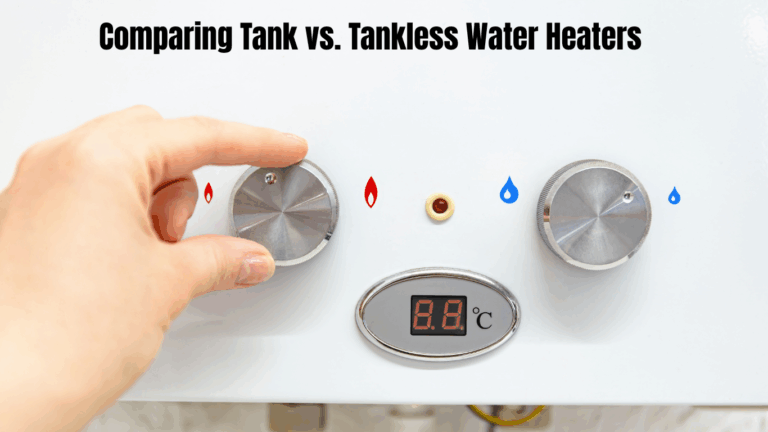
S.W.A.T. Plumbing LLC helps homeowners compare tank vs. tankless water heaters by explaining how each system works, how long they last, and which option fits different household needs. Their team offers clear guidance, professional installation, and reliable service for both types of systems.
Choosing between a tank-style and a tankless water heater can feel overwhelming, especially when hot water demands and energy use vary from home to home. This guide explains how each system operates, what benefits they offer, and the key differences to consider.
Tank water heaters store 30–50 gallons of heated water at all times. The tank reheats water throughout the day, even when no one is using it. This “standby heating” ensures hot water is ready instantly but also uses more energy.
Tank units are familiar, straightforward, and easy to repair. Because they have fewer electronic components than tankless systems, many homeowners feel comfortable sticking with the style they already have. They also cost less to replace, although long-term operation may be more expensive.
Tank models typically last 8–12 years, depending on water quality and maintenance habits.
Tankless water heaters, also called “on-demand” systems, heat water only when a faucet or appliance calls for it. When the hot water tap turns on, the unit’s burner or electric element heats water as it passes through the system. This eliminates the need for storage.
Because tankless units do not keep water warm throughout the day, they waste less energy. Homeowners often notice lower utility bills and more consistent hot water. These systems also last longer—usually 15–20 years with proper care.
However, tankless water heaters often require upgrades during installation, such as larger gas lines, venting adjustments, or electrical improvements. This is why a licensed plumber should evaluate the home before installation.
The Slab Leak Repair page also explains how plumbing layout affects water heater performance, especially in older homes.
Tank and tankless systems deliver hot water differently. Tank units provide hot water instantly but only until the stored supply runs out. This can be an issue for large families or homes with high hot water demand. Once the tank empties, homeowners must wait for it to refill and reheat.
Tankless units provide continuous hot water, but flow rate limits may affect performance. If multiple showers, appliances, and fixtures run at the same time, the tankless system may struggle to keep up unless the home has more than one unit or a high-output model.
Homeowners should consider:
A licensed plumber helps determine the right system size and placement to meet the home’s needs.
Tankless units are generally more energy efficient because they avoid “standby heat loss.” Tank heaters, by comparison, must keep water warm even when it’s not being used.
Homeowners with rising energy bills often look to tankless systems as a long-term solution. However, tank units can still be efficient when maintained well, especially if they are newer or paired with good insulation.
For broader guidance on household water use, the EPA WaterSense Program offers useful information about reducing water waste.
Tank water heaters are easier and faster to install. Many replacements can be completed within a few hours. They also require simpler annual maintenance, such as flushing sediment from the tank.
Tankless water heaters need more detailed installation. Gas units may require larger gas lines, while electric units often need panel upgrades. Annual maintenance involves descaling the system to remove mineral buildup.
Maintenance needs depend heavily on water quality. Homes with hard water benefit from water softeners or regular flushing to extend the system’s lifespan.
For homeowners unsure which system suits their home, the Tankless Water Heater page offers insight into how water quality and plumbing conditions affect long-term performance.
Selecting between tank and tankless systems depends on a few key factors:
Hot Water Demand:
Budget:
Available Space:
Longevity Goals:
Licensed plumbers evaluate the home’s plumbing, gas lines, electrical system, and water usage to recommend the safest and most effective option.
S.W.A.T. Plumbing helps homeowners make informed decisions by explaining both systems in simple, practical terms. Their team inspects the home, checks the existing water heater setup, and reviews energy goals and hot water needs.
One homeowner shared, “They walked us through tank vs. tankless options and showed us exactly why the tankless system was a better fit for our family. The install was fast, and we’ve had steady hot water ever since.” Feedback like this reflects their focus on clarity and dependable service.
Whether a homeowner needs a quick tank replacement or a full tankless upgrade, S.W.A.T. Plumbing provides options that match the home and budget.
If you’re looking for reliable plumbing services to compare tank vs. tankless water heaters, call 817-438-6142 to schedule a visit with S.W.A.T. Plumbing LLC. Their licensed technicians can inspect your current system, explain the benefits of each option, and recommend the best setup for your home.





© 2025 S.W.A.T. Plumbing LLC All rights reserved. Designed by Nickel SEO. | Privacy Policy