S.W.A.T. Plumbing LLC helps homeowners understand the water heater lifespan and what to expect as these systems age. Their team explains signs of wear, performs careful inspections, and offers guidance on when repair or replacement makes the most sense.
Most water heaters last longer than homeowners realize, but they eventually wear down from constant heating, cooling, and mineral buildup. Knowing the typical lifespan helps families plan ahead and avoid unexpected breakdowns.
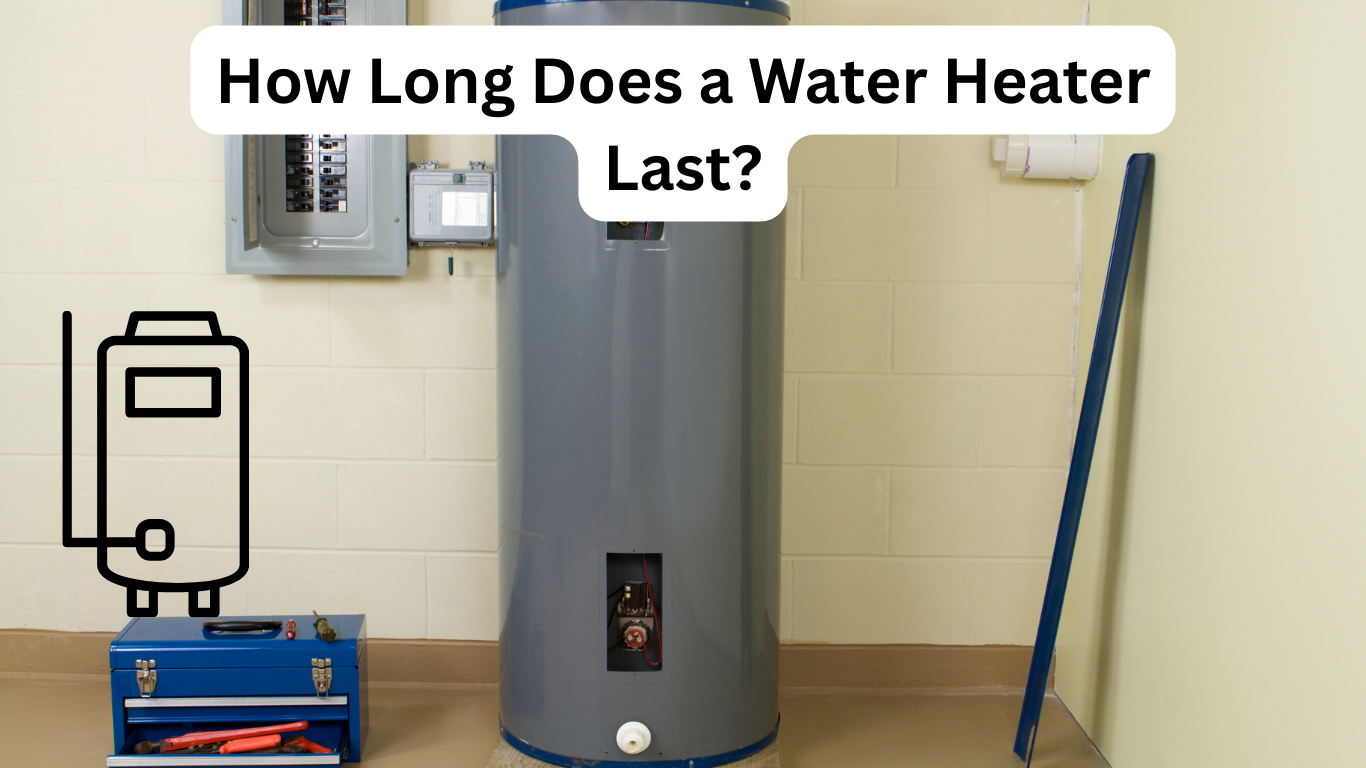
Most traditional tank-style water heaters last 8 to 12 years. This range depends on water quality, maintenance habits, and how often the system is used. Homes with large families or hard water often see a shorter lifespan because the system works harder.
Tankless water heaters often last 15 to 20 years because they heat water only when needed. These systems have fewer parts exposed to constant pressure and heat, which reduces stress on the unit.
However, both types need regular flushing and maintenance to stay reliable. Sediment buildup, worn heating elements, and internal corrosion are common issues that shorten the lifespan.
Not all water heaters age at the same rate. Several conditions speed up wear and reduce performance over time.
Water Quality: Hard water contains minerals that settle at the bottom of the tank. Over time, sediment buildup forces the water heater to work harder, increasing strain and reducing efficiency.
Usage Levels: Homes with high hot water use—showers, laundry, and dishwashing—put more stress on the system. Larger households often see shorter lifespans.
Maintenance Habits: Water heaters should be flushed at least once a year to remove sediment. Without this, the tank overheats and weakens.
Installation Quality: A water heater installed incorrectly may develop frequent leaks, loose fittings, or early failure. This is especially true for systems connected to older plumbing.
These factors explain why some units fail early while others last years beyond the average.
Water heaters rarely fail without warning. Several clear signs show that the system is nearing the end of its lifespan.
Homeowners may notice:
Rust is one of the most serious signs because it indicates internal corrosion. Once rust appears inside the tank, repairs are no longer effective.
Tankless water heaters may show different symptoms, such as error codes, inconsistent hot water, or reduced flow rates.
For hidden leak or corrosion concerns, S.W.A.T. Plumbing explains the inspection process on their Leak Detection & Repair page.
To better understand how water systems age, the EPA WaterSense Program provides helpful guidance on household water usage.
Proper maintenance plays a major role in keeping a water heater running as long as possible. Annual inspections allow plumbers to check for sediment, adjust temperature settings, and look for early signs of wear.
Flushing the tank removes minerals that cause overheating. Checking the anode rod—an important part that protects the tank from rust—also helps extend the system’s lifespan. When this rod wears out, corrosion begins inside the tank.
Tankless units need descaling to remove mineral buildup inside the heating chamber. Homeowners with hard water benefit from a water softener, which protects both tank and tankless systems from scale.
The Slab Leak Repair page offers insight into how plumbing issues beneath the home can also affect water heater performance by stressing supply lines.
With proper maintenance, most systems reach the top of their expected lifespan.
A water heater that is more than 10 years old should be evaluated closely, especially if it shows signs of struggling. Repeated repairs, leaks, or weak hot water are indicators that replacement may be more cost-effective than continued maintenance.
Homeowners should consider replacement when:
Licensed plumbers provide recommendations based on the age of the unit, the condition of the tank, and the home’s hot water needs.
Replacing a failing system prevents unexpected breakdowns and helps improve energy efficiency. Modern water heaters heat faster, use less energy, and are built with improved safety features.
S.W.A.T. Plumbing offers clear, practical guidance for homeowners deciding between repair and replacement. Their plumbers inspect the system, test performance, and explain the cause of any issues in simple terms.
One customer shared, “Our water heater was almost 15 years old, and they showed us exactly why it wasn’t heating well. They walked us through the options and replaced it the next day. The new one has been great.”
This type of support helps homeowners feel confident about their decision. Whether the issue involves a failing tank, worn heaters, or sediment buildup, the team provides safe, reliable solutions.
If you’re looking for reliable plumbing services for your water heater, call 817-438-6142 to schedule a visit with S.W.A.T. Plumbing LLC. Their licensed team can inspect the system, explain the findings, and review the best repair or replacement options.





© 2025 S.W.A.T. Plumbing LLC All rights reserved. Designed by Nickel SEO. | Privacy Policy