


S.W.A.T. Plumbing LLC helps homeowners track down a hidden plumbing leak before it turns into major water damage. Their team explains each step, uses advanced leak detection tools, and offers repair options that fit the home’s needs.
A hidden leak can drip quietly for weeks. By the time stains or mold appear, moisture has already spread. This guide explains how to spot hidden leaks early, simple tests homeowners can run, and when it is time to bring in a licensed plumber.
A rising water bill is one of the first signs. If daily habits haven’t changed but the bill increases, water may be escaping behind a wall or under the slab.
Other warning signs include musty smells, peeling paint, or warm areas on flooring. Slowly growing stains on ceilings or walls can also indicate trapped moisture. These signs often appear before any standing water becomes visible.
If several symptoms show up together, the home likely has a slow leak somewhere in the plumbing system.
A water meter test helps confirm whether water is moving through the system when it shouldn’t. Turn off all faucets and appliances, then check the meter. If the indicator keeps moving, a leak is likely present. Homeowners who want a deeper explanation can reference the EPA’s WaterSense guide, which outlines how meters detect hidden leaks.
After that, walk through the home and look under sinks, behind toilets, and around appliances. Damp wood, rusted fittings, bubbling paint, or swollen cabinets can each signal a leak. Listening for hissing or dripping at night can also help pinpoint trouble.
If everything looks dry inside but the meter still indicates water movement, the leak may be underground or beneath the slab.
Some leaks appear outside the home. Yard leaks often create soft, muddy areas or unusually green patches of grass. Standing water near the foundation can also signal a broken underground pipe.
Slab leaks occur when plumbing lines beneath the concrete foundation crack or corrode. Common signs include warm flooring, widening cracks in walls or tile, or the sound of water running when no fixtures are on. Homeowners looking for more detail can visit the Slab Leak Repair page on S.W.A.T. Plumbing’s website to see how these problems are located and repaired.
Because slab leaks can spread quickly, they should be inspected as soon as symptoms appear.
Some leaks can be found with basic tests, but others require expert tools. Professional plumbers use thermal imaging, acoustic listening equipment, and pressure testing to locate leaks without unnecessary demolition.
During a service visit, the plumber checks pressure levels, inspects visible pipes, reviews the symptoms, and uses targeted tools to locate the leak. Homeowners then receive clear explanations and photos of the issue.
To see how this process works, the company’s Leak Detection & Repair page provides a helpful overview. When the leak is urgent, S.W.A.T. Plumbing’s 24-hour emergency plumbing team can respond quickly.
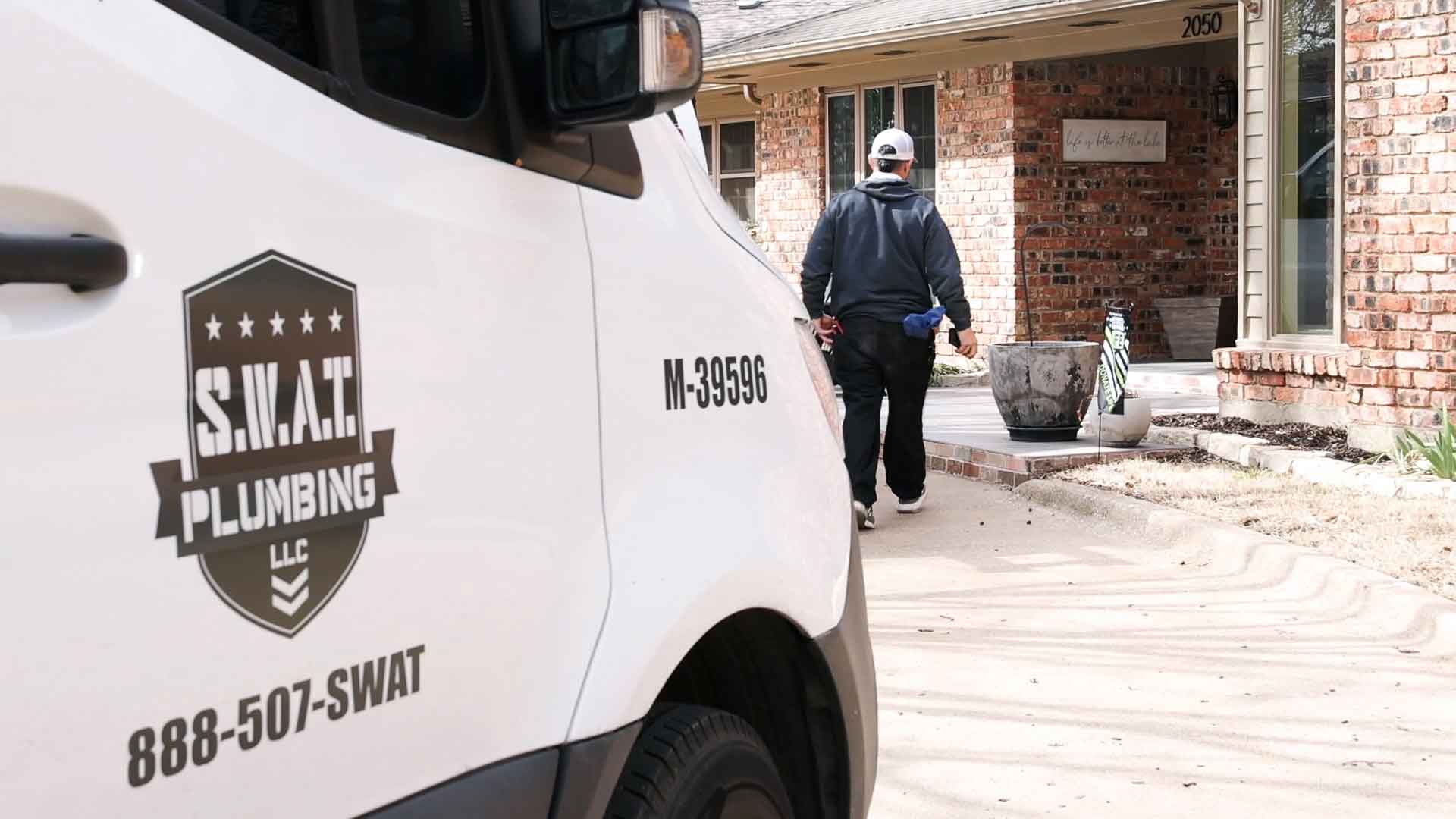
Homeowners value honest communication and careful work. S.W.A.T. Plumbing focuses on these priorities with every leak call. Their team arrives in marked vehicles, explains the inspection process in simple terms, and protects the home while working.
A recent customer shared, “They found a leak behind our wall and showed us pictures. The repair was quick, and they cleaned everything before leaving.” Reviews like this highlight the company’s commitment to thorough and respectful service.
When a leak has caused damage, the team helps homeowners understand which repairs come next and what to expect with insurance.
If you’re looking for reliable plumbing services, call 817-438-6142 to schedule leak detection with S.W.A.T. Plumbing LLC. Their licensed technicians can locate a hidden plumbing leak and guide you through the repair process.






© 2025 S.W.A.T. Plumbing LLC All rights reserved. Designed by Nickel SEO. | Privacy Policy