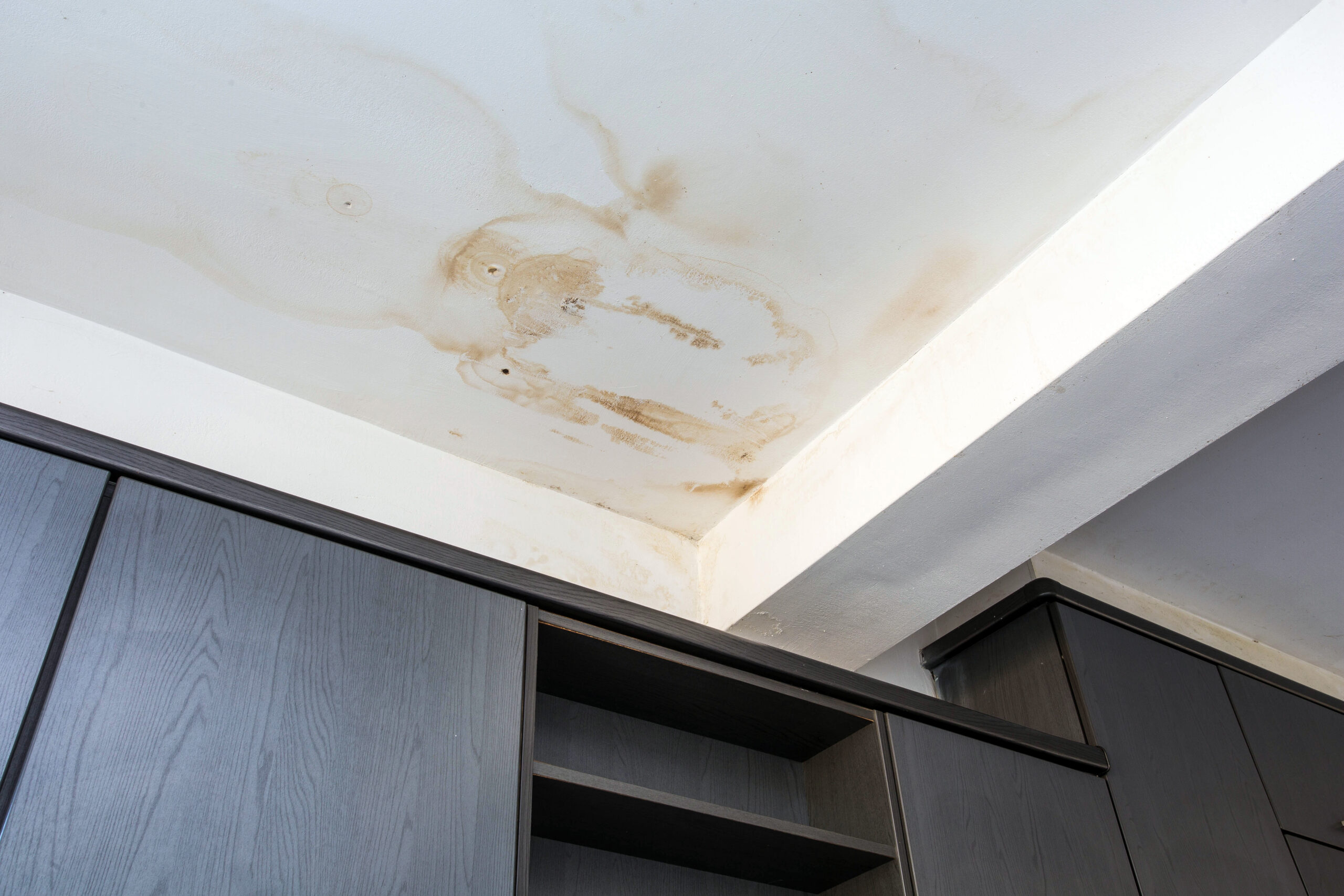
A small water leak can quickly turn into major property damage if it isn’t stopped quickly. Knowing how to respond immediately can protect your home, prevent mold growth, and reduce costly plumbing repairs.
Water leaks are one of the most common plumbing problems homeowners face, and they often start quietly. A dripping pipe under a sink, a loose fitting behind a wall, or a slow leak beneath a slab foundation can go unnoticed for days or even weeks. During that time, water can seep into flooring, drywall, insulation, and structural components of your home.
For homeowners in Fort Worth, Aledo, Weatherford, White Settlement, Benbrook, Annetta, Willow Park, and Hudson Oaks, acting quickly when a leak appears can make the difference between a simple repair and extensive restoration work. The key is recognizing the warning signs and knowing the steps to take immediately.
Water leaks aren’t always obvious. In many cases, the problem develops behind walls, beneath flooring, or under the foundation before visible damage appears. Recognizing early signs of a hidden plumbing leak can help you stop the problem before it spreads.
Common warning signs include:
Even a slow leak can cause serious damage over time. Moisture trapped inside walls creates the perfect environment for mold, which can impact indoor air quality and require expensive remediation.
The most important step when dealing with a leak is stopping the water flow immediately. Every homeowner should know where the main water shut-off valve is located and how to operate it.
The main shut-off is typically located:
Turning this valve clockwise will stop water from entering the home’s plumbing system. This prevents additional water from feeding the leak and limits the damage while you assess the situation.
For smaller leaks under sinks or behind appliances, individual fixture shut-off valves can often stop the problem without shutting off water to the entire house.
While waiting for professional help, there are several temporary steps that can help slow or stop a leak. These solutions won’t replace proper repairs, but they can help reduce damage in an emergency.
Homeowners may be able to temporarily control a leak by:
If the leak is near electrical outlets or appliances, shutting off power to that area of the home is also recommended for safety.
Removing standing water as quickly as possible is important as well. Towels, mops, fans, and wet vacuums can help dry the area and prevent moisture from spreading to nearby materials.
Leaks can originate from many different parts of a home’s plumbing system. Identifying the source helps determine the best repair approach.
Some of the most common leak sources include:
Many of these issues begin as small leaks before worsening into larger failures. That’s why routine plumbing inspections can help catch problems before they become emergencies.
Some plumbing leaks are easy to spot, but others can be extremely difficult to locate without specialized tools. Professional plumbers use advanced leak detection equipment to find hidden problems without tearing apart walls or floors unnecessarily.
These tools may include acoustic listening devices, thermal imaging, and pressure testing equipment that pinpoint the exact location of the leak. Once the source is identified, repairs can be made quickly and efficiently.
Professional repair also ensures the underlying issue is corrected. Simply patching a leak without addressing pressure problems, corrosion, or installation defects can lead to repeated failures.
Water leaks rarely fix themselves, and the longer they continue, the greater the damage becomes. Acting quickly when you notice signs of a plumbing leak can protect your home and save thousands in repair costs.
For homeowners experiencing leaks, professional plumbers can inspect the plumbing system, locate the source of the problem, and provide durable repairs that restore proper function.
Whether the issue is a small pipe leak or a hidden slab leak beneath the foundation, addressing the problem early ensures your plumbing system continues operating safely and efficiently while protecting your home from long-term damage.





© 2026 S.W.A.T. Plumbing LLC All rights reserved. Designed by Nickel SEO. | Privacy Policy