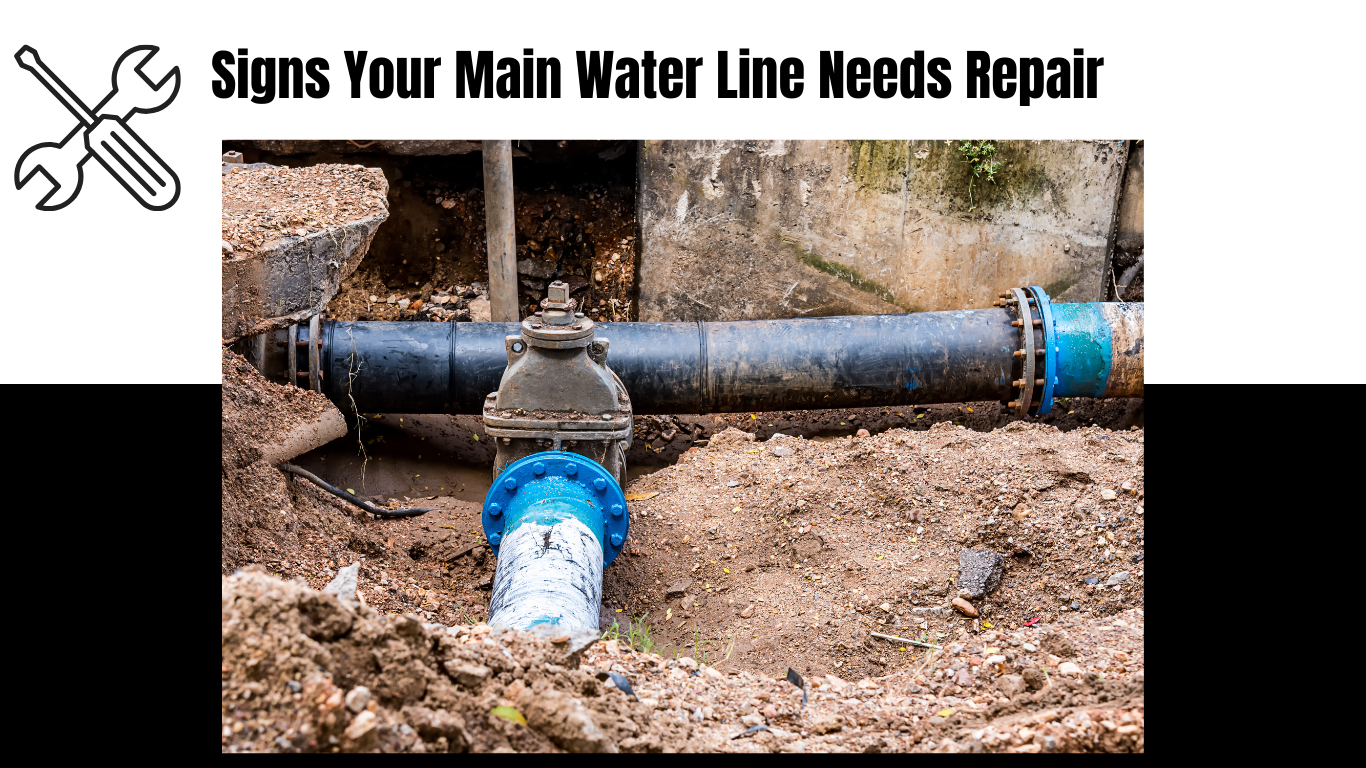
S.W.A.T. Plumbing LLC helps homeowners spot main water line problems early so they can avoid major water damage, high bills, and service interruptions. The team explains each step clearly, uses advanced diagnostic tools, and repairs water lines safely and efficiently.
Main water line issues often develop slowly, but the symptoms become obvious once the line starts leaking, cracking, or losing pressure. This guide explains the most common signs of trouble, how homeowners can check for early warning signals, and when it’s time to call a licensed plumber.
One of the earliest signs of a failing main water line is a sudden drop in water pressure. When the line cracks, water escapes into the soil instead of flowing into the home. Showers may weaken, sinks may take longer to fill, and appliances like washing machines may run slower than normal.
Low pressure in a single faucet usually means a small local issue. But when every fixture in the home is affected at the same time, the problem often starts in the main service line. A licensed plumber can run pressure tests to confirm whether the restriction is inside the home or underground.
To understand how pressure affects home plumbing, the EPA WaterSense Program offers helpful information about water flow and leak detection.
A leaking main water line usually shows itself outside first. When water escapes into the ground, soil becomes saturated and struggles to drain. Homeowners may notice wet patches, muddy areas, or grass that stays damp long after a rainfall.
More severe leaks can create:
These signs suggest water is leaking consistently and needs immediate attention. Left alone, yard damage can spread to the foundation or nearby hardscapes such as sidewalks and driveways.
For additional support, S.W.A.T. Plumbing explains how shifting soil affects underground pipes on their Plumbing Services page.
If a main water line cracks, sediment from the soil can enter the home’s water supply. This often shows up as light brown or cloudy water flowing from faucets, even after the tap has been running for a few minutes.
Sediment can also damage water heaters, dishwashers, and other appliances. While occasional discoloration can happen during city maintenance, ongoing cloudiness or grit often means there is a break in the service line.
Homeowners seeing repeat discoloration should schedule an inspection to prevent contamination and appliance damage. More details on how leaks affect water quality can be found on the Leak Detection & Repair page.
A hidden main water line leak can waste hundreds of gallons before anyone notices. Because the line is always under pressure, even a small crack can drip constantly. When the bill rises without changes in daily usage, it may point directly to an underground leak.
Homeowners can perform a simple test by turning off all fixtures, then checking whether the water meter still moves. If the meter shows continuous flow, even with no water running inside, a leak is likely active somewhere along the main line.
This test helps confirm the need for professional inspection before the leak worsens.
A cracked main water line can create air pockets and turbulence inside the pipes. This may cause hissing, bubbling, or rattling sounds—especially when no water is turned on.
Some homeowners also report hearing water running under the ground near outdoor spigots or along the path where the service line enters the home. These noises are early warnings that the line may be actively leaking.
Licensed plumbers use acoustic equipment to pinpoint the exact location without digging up the entire yard. S.W.A.T. Plumbing outlines this process on their Slab Leak Repair page, which describes how underground leaks are located safely.
Main water line problems require professional tools and safety steps. Homeowners should call a licensed plumber if they notice:
Main line repairs often involve trenchless equipment, pressure restoration, and pipe replacement methods that protect the yard. A licensed professional can diagnose the issue, show photos or videos of the damage, and explain the safest repair approach.
S.W.A.T. Plumbing provides this clear process by inspecting the line, documenting the findings, and reviewing practical solutions that fit the home.
If you’re looking for fast, dependable plumbing services for a main water line issue, call 817-438-6142 to schedule a visit with S.W.A.T. Plumbing LLC. Their licensed team can inspect the line, explain the findings, and recommend safe repair options.




© 2025 S.W.A.T. Plumbing LLC All rights reserved. Designed by Nickel SEO. | Privacy Policy