S.W.A.T. Plumbing LLC helps homeowners compare tank vs tankless water heaters during cold weather so they can choose the right system for winter performance. Their licensed plumbers explain how each system handles freezing temperatures, heavier demand, and colder incoming water.
Winter places extra stress on water heaters. Incoming water temperatures drop, showers run longer, and appliances work harder. Choosing the right system—or maintaining the one you have—can make the difference between steady hot water and mid-shower surprises.
In winter, groundwater temperatures can drop significantly. That means water entering your home may be 20 degrees colder than during warmer months. Water heaters must work harder to bring that water up to a comfortable temperature.
This added workload increases:
Both tank and tankless systems feel this strain, but they respond differently.
More details on maintenance and performance are available on Plumbing Services page.
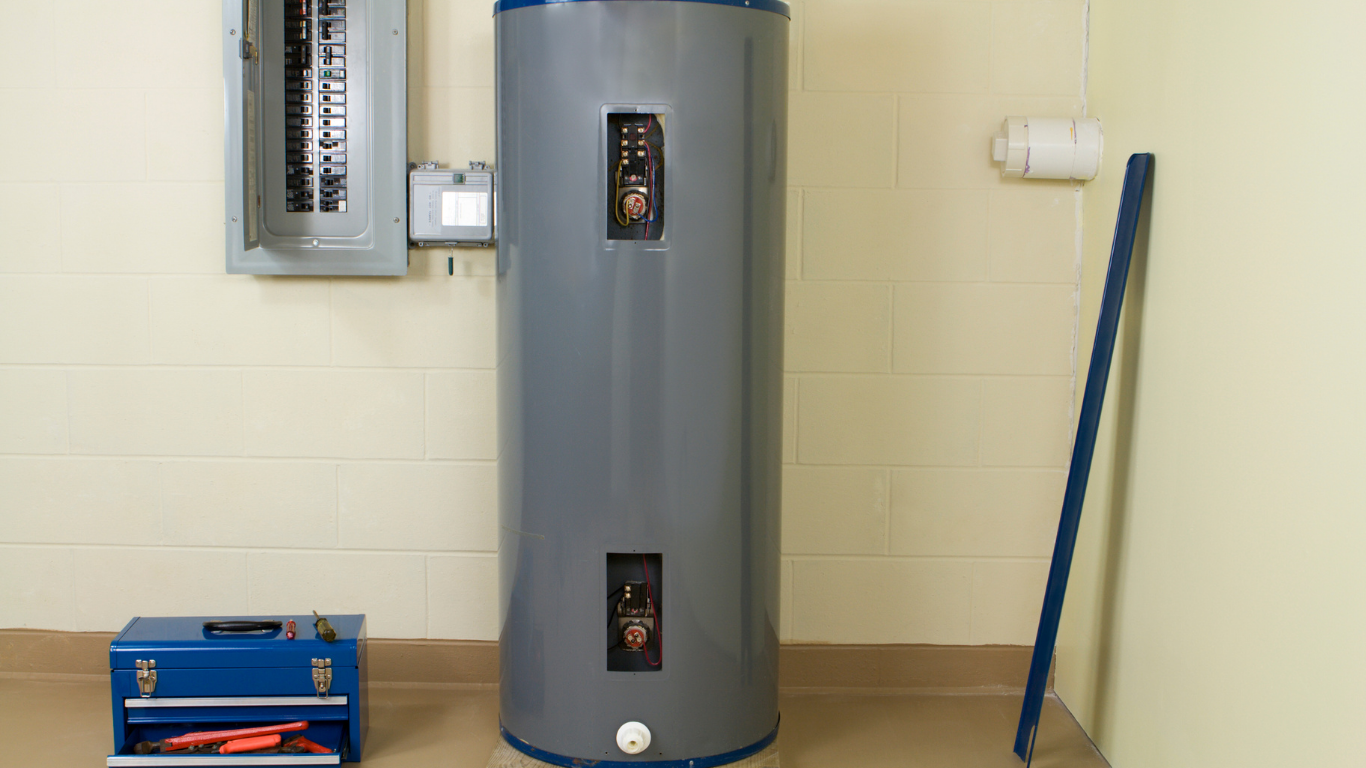
Traditional tank water heaters store 30–50 gallons of hot water at all times. During winter, they continue reheating stored water as it cools.
Because hot water is already stored, there is no delay when turning on a faucet. This can be helpful during freezing mornings when multiple fixtures are in use.
However, tank systems have limits. Once the stored hot water runs out, the heater must refill with very cold incoming water. This increases recovery time. Large households may notice hot water running out faster during winter.
Sediment buildup becomes a bigger issue in cold months. When heating cycles increase, mineral deposits at the bottom of the tank trap heat and reduce efficiency. This often leads to popping or rumbling sounds.
If sediment is ignored, tank life shortens. S.W.A.T. Plumbing discusses system strain and underground impacts on their Slab Leak Repair page, especially for homes affected by shifting soil.
Tankless systems heat water on demand. When a faucet turns on, water flows through heating elements and warms instantly. There is no storage tank.
In theory, tankless systems handle winter well because they do not “run out” of hot water. However, output depends on flow rate and incoming water temperature.
When groundwater is extremely cold, tankless systems must work harder to achieve the same temperature rise. If multiple showers and appliances run at once, the system may struggle unless properly sized.
In rare cases, exterior-mounted tankless units may require freeze protection features. Without proper insulation or power supply, freezing temperatures can damage exposed components.
Professional sizing and installation are critical. More about safe detection and inspection services can be found on the Leak Detection & Repair page.
Energy efficiency becomes a major concern in winter.
Tank systems lose heat through the tank walls, especially in colder garages or utility closets. Insulating older tanks may help reduce heat loss.
Tankless systems avoid standby heat loss, which often makes them more efficient overall. According to the U.S. Department of Energy, tankless water heaters can be more energy-efficient for homes that use moderate amounts of hot water. (Outbound link)
However, efficiency gains depend on correct installation and household usage patterns.
The answer depends on the home.
Tank Systems May Be Better If:
Tankless Systems May Be Better If:
In extremely cold weather, tank systems may feel more consistent because hot water is stored. However, tankless systems provide unlimited supply if demand stays within capacity.
Whether tank or tankless, maintenance plays the biggest role in winter performance.
For tank systems:
For tankless systems:
Homes in Aledo and Fort Worth often experience sudden temperature drops. Regular inspections help prevent breakdowns when demand peaks.
S.W.A.T. Plumbing evaluates each home’s plumbing layout, water usage, and winter exposure before recommending a system. Their licensed plumbers explain the pros and cons clearly, review long-term reliability, and ensure safe installation.
One homeowner shared, “We switched to tankless before winter, and S.W.A.T. made sure it was sized correctly. We’ve had steady hot water even during freezing mornings.”
Local experience with Texas cold snaps allows the team to recommend solutions that match real-world winter conditions.
If you’re looking for dependable plumbing services to compare tank vs tankless systems, call 817-438-6142 to schedule a visit with S.W.A.T. Plumbing LLC. Their licensed plumbers can inspect your current system and recommend the best setup for cold-weather performance.



© 2026 S.W.A.T. Plumbing LLC All rights reserved. Designed by Nickel SEO. | Privacy Policy