
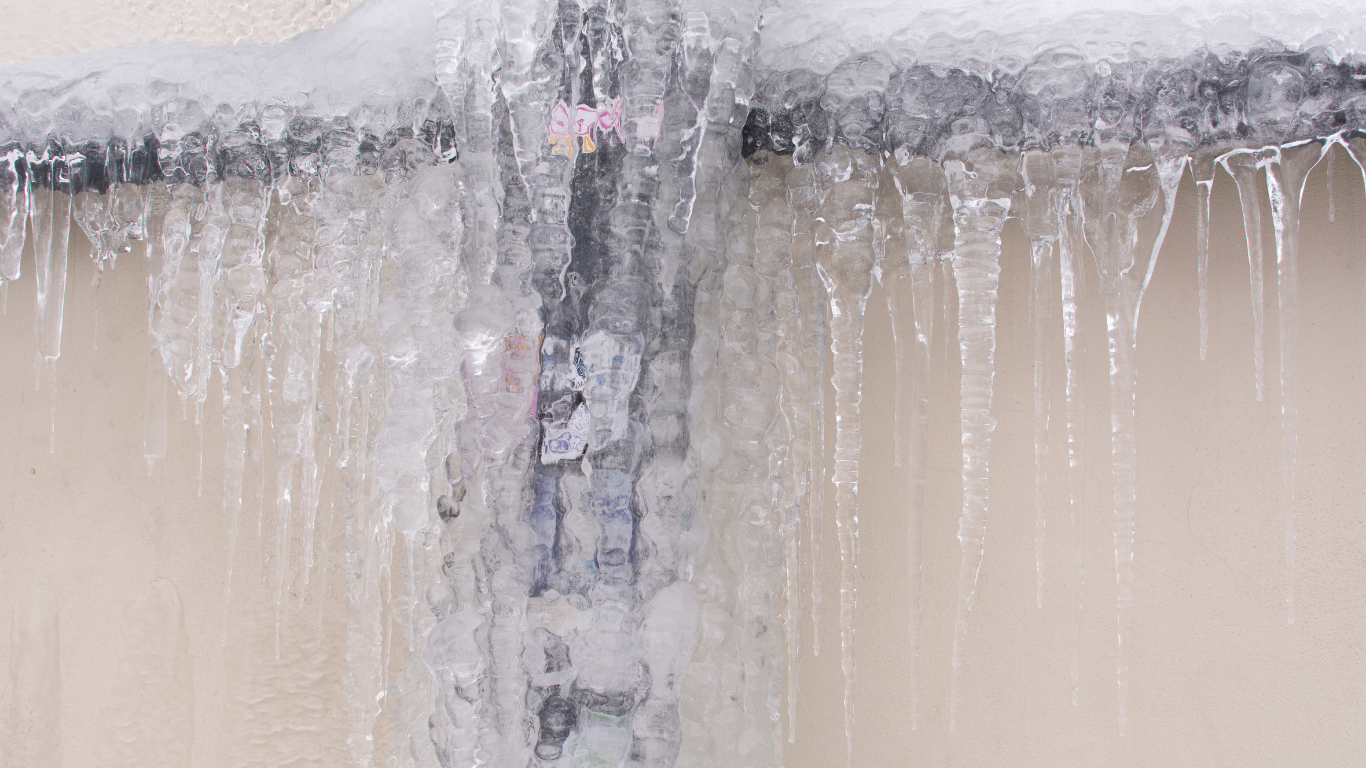
S.W.A.T. Plumbing LLC helps homeowners prevent frozen pipes in winter. Which can occur during sudden cold snaps. Their licensed plumbers identify vulnerable plumbing areas, explain freeze risks clearly, and provide safe solutions to protect homes before temperatures drop.
Texas winters are unpredictable. While long stretches of freezing weather are rare, overnight temperature drops can happen quickly. Because many Texas homes are not built for extreme cold, certain pipes freeze faster than others. Knowing which pipes are most at risk helps homeowners act early and prevent costly damage.
In many Texas homes, plumbing runs through exterior walls. When temperatures drop below freezing, these pipes are exposed to cold air on one side and limited insulation on the other.
Exterior wall pipes freeze first because:
Kitchen sinks located against exterior walls are especially vulnerable. Bathroom lines along outside walls also face higher freeze risk.
Keeping cabinet doors open during cold nights allows warm indoor air to circulate around pipes. Adding insulation behind exposed plumbing reduces risk long-term.
More winter protection strategies are available on S.W.A.T. Plumbing’s Plumbing Services page.
Garages in Texas are often not insulated or heated. Water lines running along garage ceilings or walls freeze rapidly when temperatures drop overnight.
Common vulnerable spots include:
Because garages cool faster than living spaces, pipes here freeze earlier—even if the thermostat inside the home is set properly.
Insulating garage pipes and sealing air gaps around doors can reduce exposure. During extreme cold, maintaining a small heat source in the garage may help prevent freezing.
Outdoor faucets are among the first plumbing components to freeze in Texas homes. If a hose remains attached, water becomes trapped inside the line, increasing pressure when freezing occurs.
Outdoor lines freeze quickly because:
Homeowners should disconnect hoses, drain the line, and install insulated faucet covers before freezing weather hits. Some homes also have interior shutoff valves for outdoor lines, which should be turned off and drained.
When outdoor pipes crack, leaks often appear inside the wall rather than outside.
Unlike colder regions, many Texas homes route plumbing through attics instead of basements. Attic temperatures can drop below freezing quickly, especially when insulation is thin or airflow is poor.
Attic pipes freeze early because:
Crawl spaces under homes also expose pipes to cold air. If these areas lack proper insulation or skirting, freezing can occur even during short cold snaps.
S.W.A.T. Plumbing discusses how underground and structural plumbing issues affect homes on their Slab Leak Repair page.
Water that sits still freezes more easily than water in motion. Pipes serving guest bathrooms, outdoor sinks, or rarely used fixtures are at higher risk.
When water is not flowing, cold air lowers the temperature inside the pipe quickly. During freezing weather, allowing faucets to drip slightly reduces pressure and keeps water moving, lowering freeze risk.
However, dripping faucets alone may not fully protect poorly insulated lines.
In Texas, some main water lines are buried closer to the surface than in colder climates. Shallow lines are more exposed to freezing temperatures.
If the soil freezes, pressure builds inside the pipe. When thawing occurs, cracks may form. Homeowners may not notice damage until water pressure drops or wet patches appear in the yard.
Signs of main line freezing include:
More information about identifying hidden leaks can be found on the Leak Detection & Repair page.
For additional winter water safety guidance, the EPA WaterSense Program provides helpful homeowner resources. (Outbound link)
Homes in colder states are typically built with deeper pipe placement, thicker insulation, and heated basements. Texas homes often prioritize heat resistance instead.
This means:
Because extreme cold is less frequent, many residents are caught off guard.
Frozen pipes do not always burst immediately. Ice expands inside the pipe, weakening the material. When temperatures rise and water pressure returns, cracks may open and cause hidden leaks behind walls or under slabs.
Homeowners should inspect carefully after any freeze event. Warning signs include:
Professional inspection helps locate hidden damage before mold or structural problems develop.
S.W.A.T. Plumbing identifies vulnerable plumbing areas and recommends insulation upgrades, pipe rerouting, and freeze protection strategies. Their licensed team explains risk areas clearly and provides reliable repairs if damage occurs.
One homeowner shared, “After the freeze, we had no idea our garage pipe had cracked. S.W.A.T. found the leak quickly and helped us insulate the line to prevent it from happening again.”
Local experience with Texas freeze events allows the team to anticipate which pipes are most at risk.
If you’re concerned about frozen pipes during Texas winters can cause, call 817-438-6142 to schedule a visit with S.W.A.T. Plumbing LLC. Their licensed plumbers can inspect vulnerable areas, protect exposed lines, and repair freeze damage before it spreads.




© 2025 S.W.A.T. Plumbing LLC All rights reserved. Designed by Nickel SEO. | Privacy Policy