
S.W.A.T. Plumbing LLC helps homeowners avoid costly mistakes caused by common winter plumbing myths. Their licensed team explains how cold weather affects pipes, water heaters, and drains—and what actually protects your home when temperatures drop.
Winter plumbing problems often start with bad advice. Many homeowners follow tips they’ve heard for years, only to face frozen pipes, burst lines, or water heater breakdowns. Understanding the truth behind these myths can prevent expensive repairs and water damage.
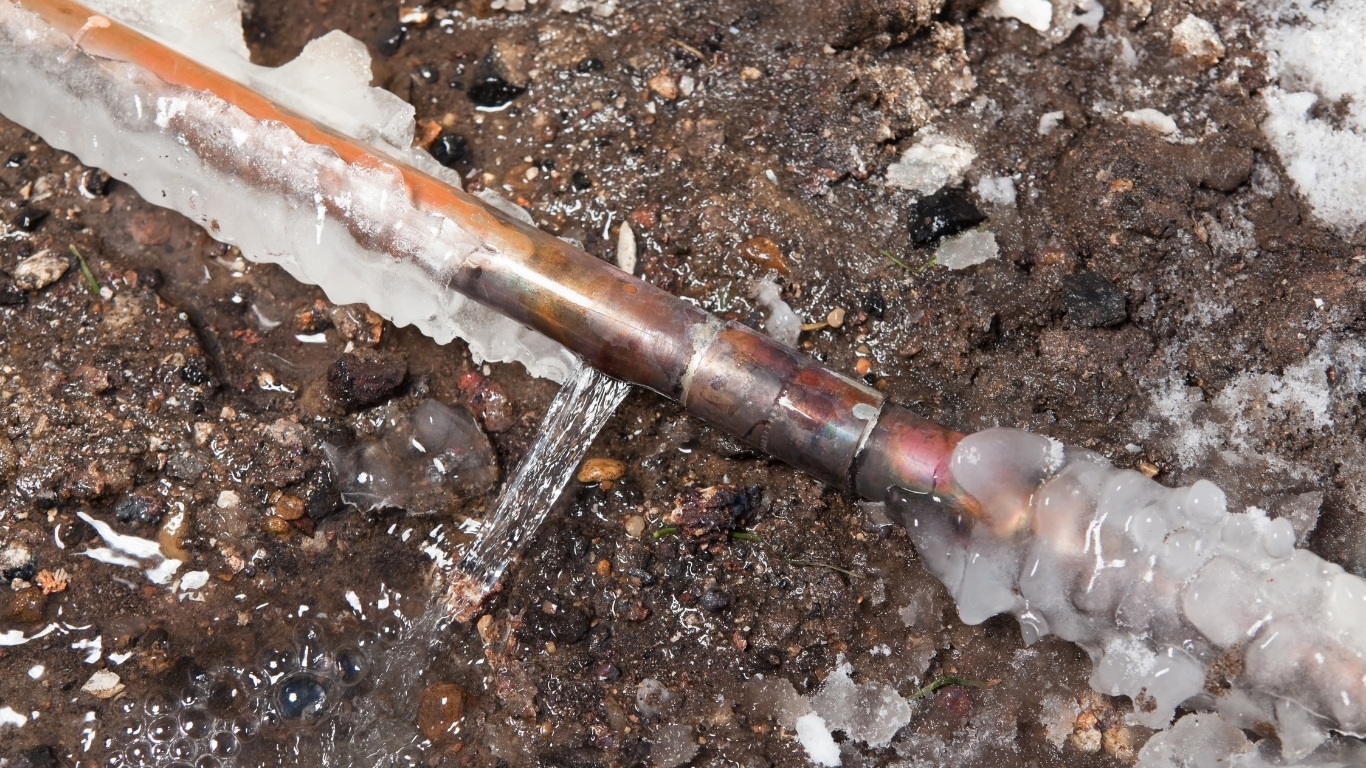
Many homeowners believe that letting faucets drip completely prevents frozen pipes. While dripping water can reduce pressure inside the line, it does not guarantee protection.
Pipes freeze when cold air surrounds uninsulated sections—especially in attics, garages, crawl spaces, or exterior walls. If insulation is missing or temperatures drop quickly, even a dripping faucet may not stop freezing.
The better approach includes insulating exposed pipes, sealing air leaks, and maintaining steady indoor heat. S.W.A.T. Plumbing explains winter protection strategies on their Plumbing Services page.
Dripping faucets are helpful, but they are only one part of proper freeze prevention.
North Texas homeowners often assume freezing pipes only happen in colder states. However, sudden overnight freezes are common in Aledo and Fort Worth. Because many homes are not built for extended cold weather, plumbing systems can be especially vulnerable.
Pipes located in exterior walls or unheated areas freeze quickly when temperatures drop below 32°F. The damage may not appear until the ice melts and water pressure returns.
Ignoring this risk can lead to hidden leaks inside walls or under slabs. S.W.A.T. Plumbing outlines related foundation concerns on their Slab Leak Repair page.
During winter, grease and debris harden inside pipes more quickly. Many homeowners turn to chemical cleaners to clear slow drains. Unfortunately, these chemicals often damage pipes and push blockages deeper into the system.
Cold temperatures can cause grease to solidify inside sewer lines. If chemicals fail to clear the clog fully, backups may follow. A licensed plumber uses mechanical tools and safe cleaning methods that remove buildup without harming the plumbing.
For professional clog removal, homeowners can review S.W.A.T. Plumbing’s Leak Detection & Repair page, which explains safe inspection and cleaning processes.
Some homeowners believe that raising the thermostat during a freeze is enough to protect plumbing. While keeping indoor temperatures stable helps, it does not address uninsulated pipes in attics, garages, or exterior walls.
Heat may not reach these vulnerable areas evenly. If cabinet doors remain closed under sinks, warm air cannot circulate around the pipes.
A better strategy includes:
Consistent indoor heat helps, but insulation and airflow matter just as much.
Winter places heavy strain on water heaters. Incoming water is colder, which forces the system to work harder. Many homeowners assume water heaters only fail due to age, but cold weather accelerates wear.
Sediment buildup becomes more problematic in winter because heating cycles increase. This can lead to rumbling sounds, reduced efficiency, and early water heater repair needs.
Regular flushing and inspection prevent breakdowns during peak winter demand. For general water efficiency information, the EPA WaterSense Program offers helpful guidance.
Ignoring maintenance often leads to unexpected cold showers at the worst time.
Some homeowners believe they will see obvious flooding if pipes freeze. In reality, many frozen pipes crack slightly but do not burst until hours or days later.
As ice expands, it weakens the pipe wall. When temperatures rise and water flow resumes, pressure forces water through tiny fractures. These hidden leaks may go unnoticed until stains, mold, or higher water bills appear.
This is why professional inspection after a hard freeze is often recommended—even if no visible burst occurred.
Hose bibs and outdoor spigots are among the most common freeze points. Leaving hoses attached traps water inside the line, increasing pressure when freezing occurs.
Proper winter preparation includes:
Neglecting outdoor faucets often leads to cracked pipes inside walls.
Believing these myths can result in:
Small preventive steps save thousands in repair costs. Understanding the difference between helpful advice and outdated myths protects your home all season long.
S.W.A.T. Plumbing provides winter plumbing inspections, pipe insulation recommendations, and water heater maintenance to reduce freeze-related risks. Their licensed team explains potential vulnerabilities and offers practical solutions before problems start.
One homeowner shared, “After the freeze last year, we learned the hard way. This winter, S.W.A.T. inspected our plumbing early and helped us protect exposed pipes. We didn’t have a single issue.”
Local experience with Texas cold snaps allows the team to identify weak points quickly and provide dependable service.
If you’re looking for dependable plumbing services this winter, call 817-438-6142 to schedule a visit with S.W.A.T. Plumbing LLC. Their licensed plumbers can inspect your system, correct vulnerabilities, and help prevent costly cold-weather damage.




© 2026 S.W.A.T. Plumbing LLC All rights reserved. Designed by Nickel SEO. | Privacy Policy